




-
 For Everyone
 -
2 h.
-
 Serbian
DNA Under the Microscope II: Gene Therapy Today – Possibilities, Limits, and Ethics
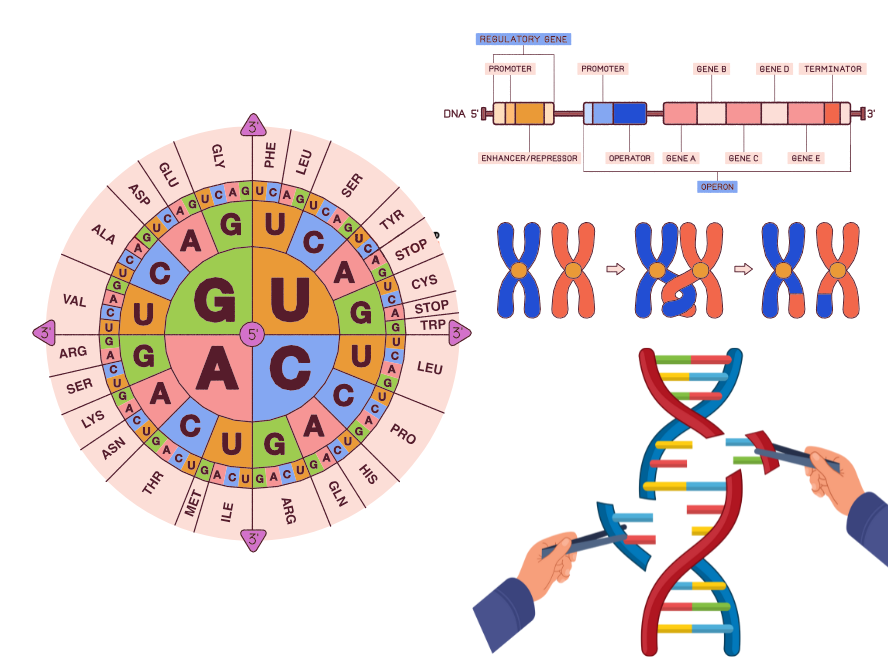
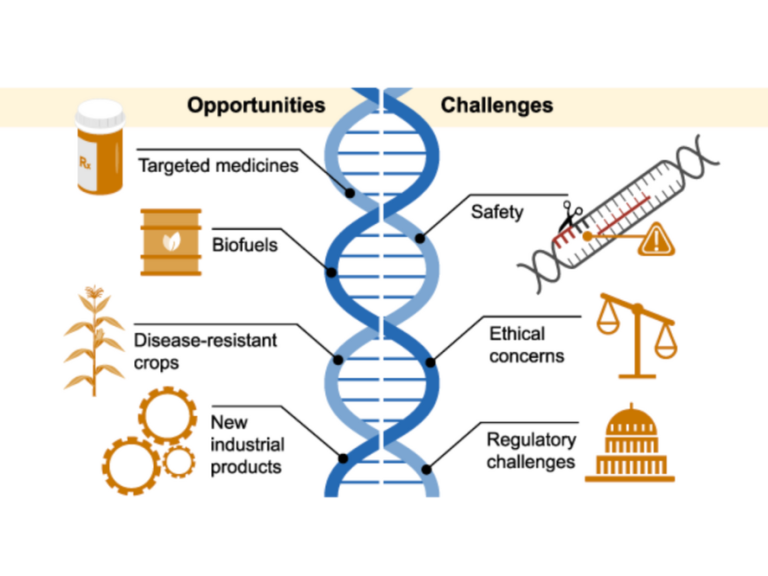
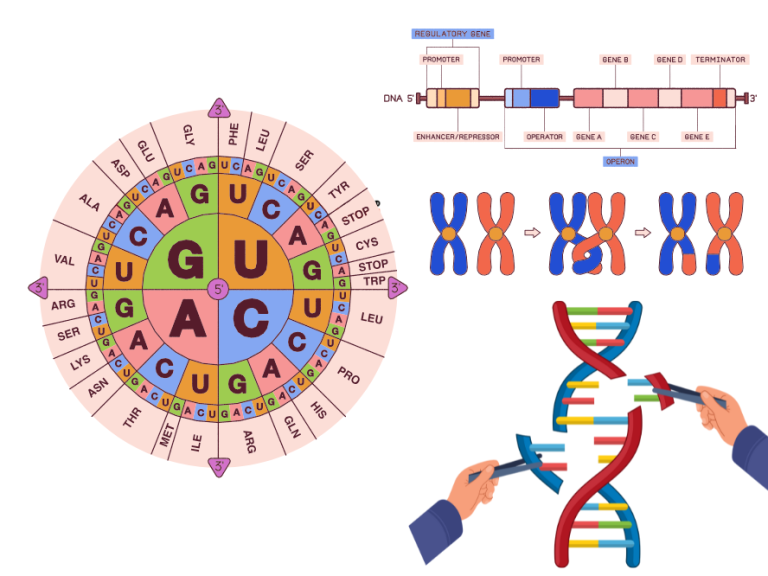
After discovering in the first workshop how DNA is “repaired” and what the basic gene therapy techniques are, it’s time to go deeper. Here we move from theory to what’s already happening in medical centers around the world – to diseases currently being treated with gene therapy, as well as the ethical questions this technology raises. This workshop guides you through more complex examples, real limitations, and responsible boundaries of application.
About This Workshop
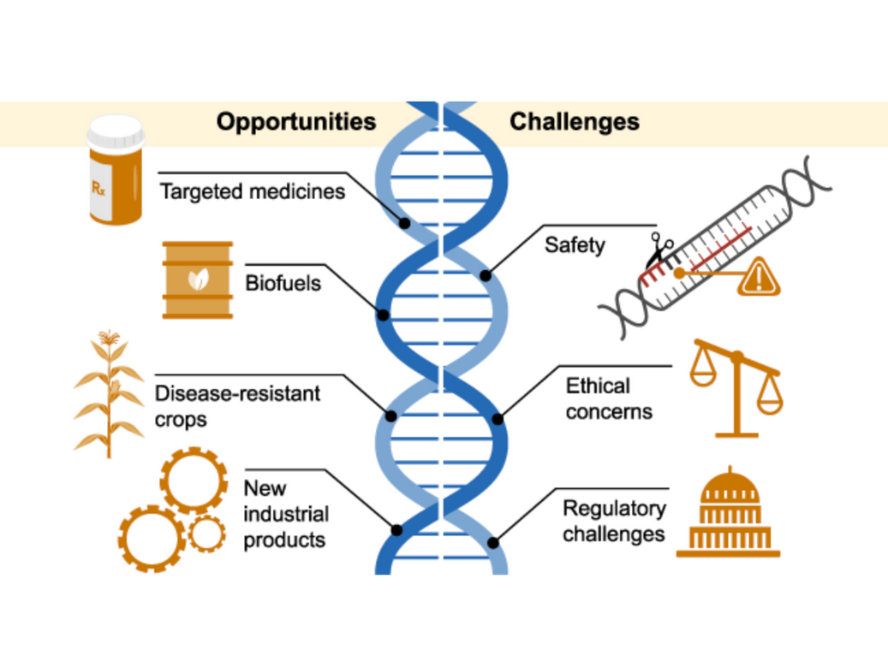
In the second part of the “DNA Under the Microscope” workshop, you’ll deepen your knowledge of gene therapy through concrete examples from modern medicine. The focus is on diseases already being treated with gene therapy today, as well as open questions and dilemmas this field brings. Special emphasis is placed on ethical debates in contemporary science and space for active participant engagement.
Science Through Practice
Through analysis of existing gene therapies and real medical examples, you’ll examine how genetic knowledge is applied in practice. Guided discussion opens topics of germline cell editing, its implications, and boundaries that require special caution.
What You’ll Learn?
- Which gene therapies are currently used in treating diseases
- Which diseases can be treated with gene therapy and how
- What germline cell editing entails
- What are the main ethical dilemmas of contemporary genetics
- How the scientific community sets boundaries for responsible technology application
Why Sign Up?
Because the workshop encourages critical thinking and informed discussion about one of the most current topics in contemporary biology. You’ll gain deeper understanding of real possibilities, as well as limitations, of gene therapy.
About the Instructor
Milica Jeličić is a molecular biologist specializing in modern gene editing technologies and their future application in medicine. She graduated from the Faculty of Biology in Belgrade, where she developed a passion for genetics during her studies and for understanding how small DNA changes can have an enormous impact on human health.
She completed her Master’s studies at the Center for Human Genetics, where she researched mutations underlying hereditary neurodegenerative and muscular diseases.
She earned her PhD in Dresden, Germany, where she studied genetic engineering and gene therapy. She worked on projects using CRISPR, recombinases, base and prime editors for understanding and correcting hereditary and complex diseases. Her mission is clear: to bring advanced genetics closer to the wider public and open space for responsible and ethical application of gene therapy.