
-
 For Everyone
 -
2 h.
-
 Serbian
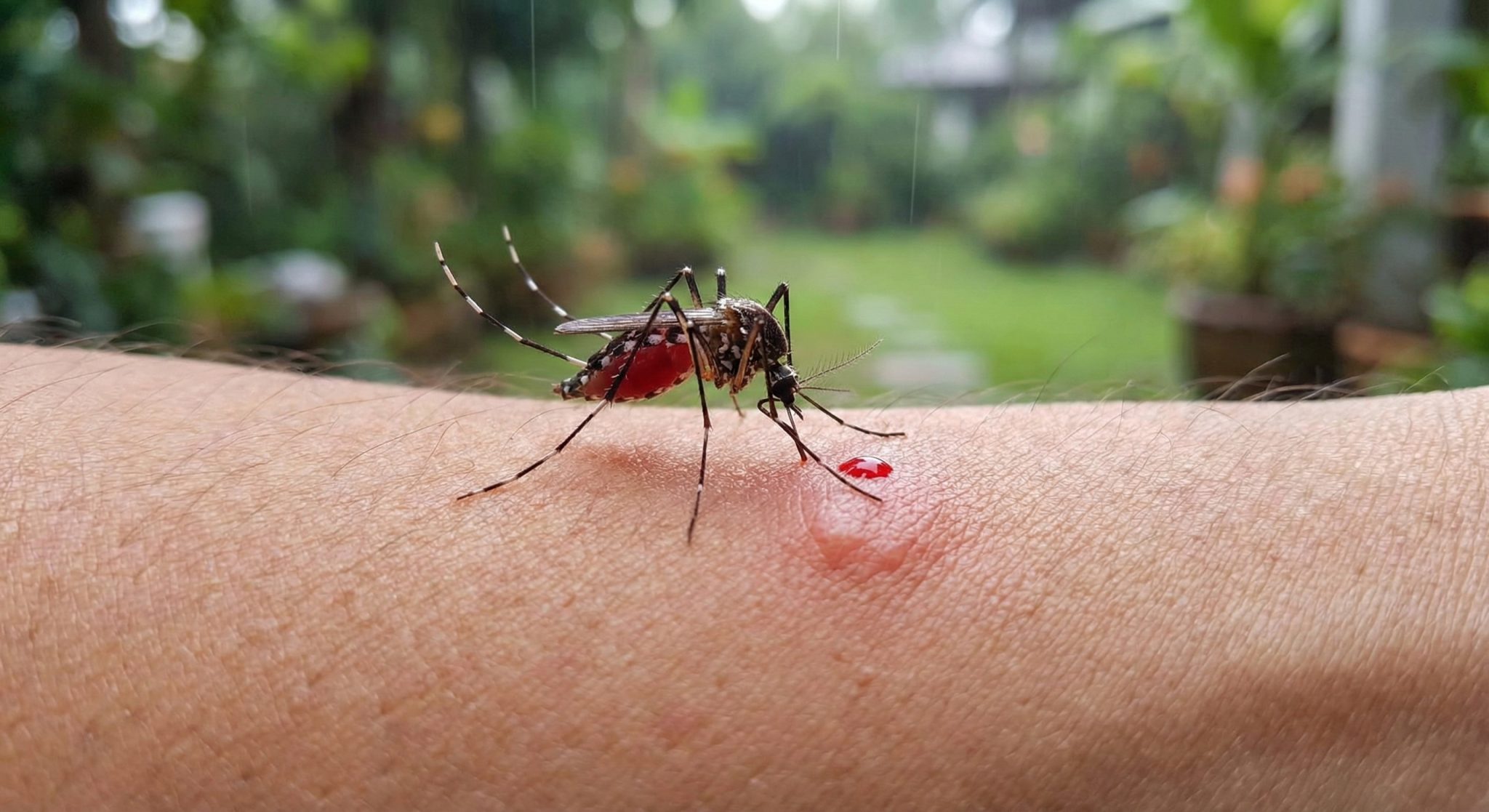
Why Don't We Exterminate All Mosquitoes?
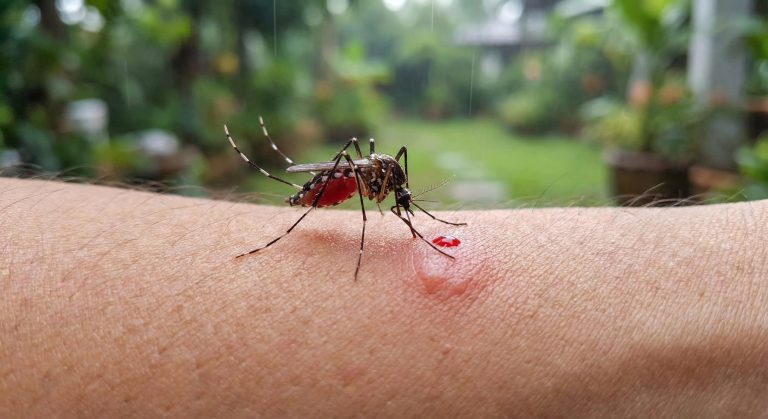
Why don’t we exterminate all mosquitoes? Or other organisms that only cause us problems?
Through learning the basic principles of ecology in this workshop, you’ll discover why we shouldn’t exterminate all organisms that negatively affect humans in some way. Ecology is a scientific discipline that primarily studies the mutual relationships among organisms, as well as the interactions of organisms with their environment.
Understanding basic ecological principles helps us comprehend why it’s important to preserve biodiversity and ecosystems. After the workshop, you’ll be able to look at problem solutions with more understanding, all with the goal of protecting nature.
Through this workshop, you’ll become familiar with the basic principles of how ecosystems function, and through examples and exercises, you’ll discover the world around you—and maybe even learn to love and appreciate it more.
About This Workshop
What Will You Learn?
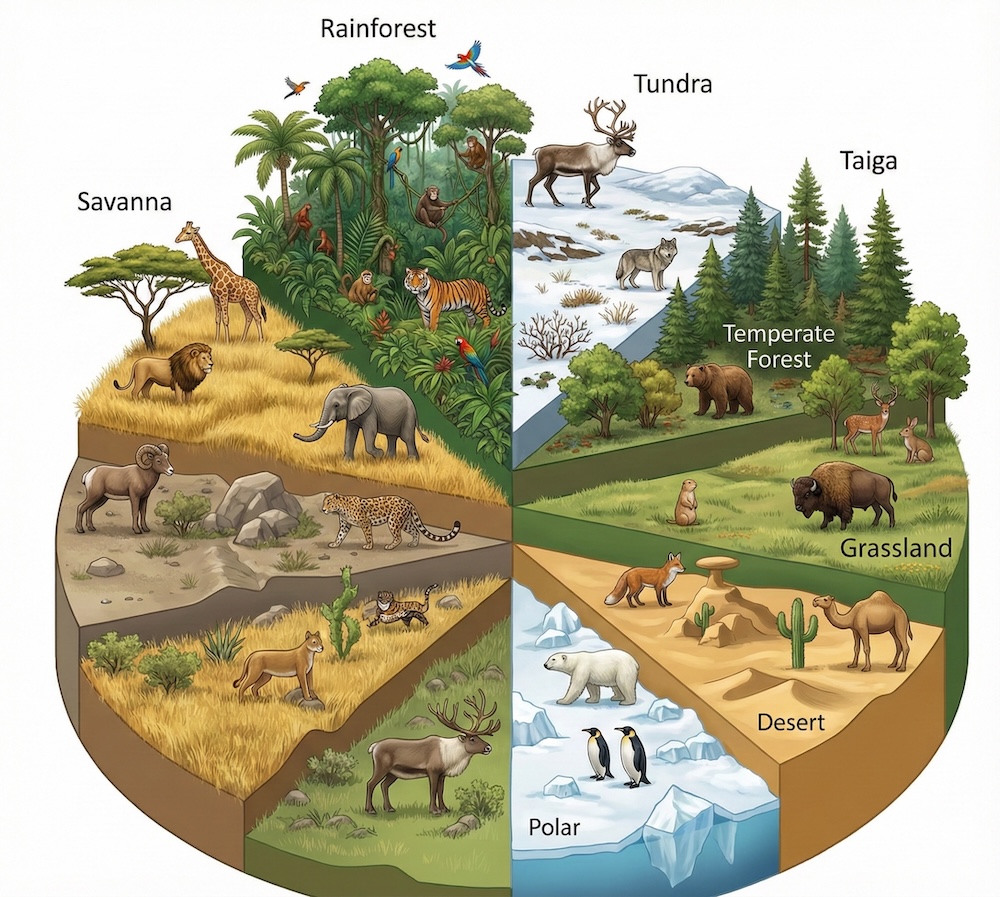
What are keystone species in an ecosystem and how many species can an ecosystem lose before it collapses? What roles can organisms have in an ecosystem? What are adaptations? What ecosystem services does nature provide us?
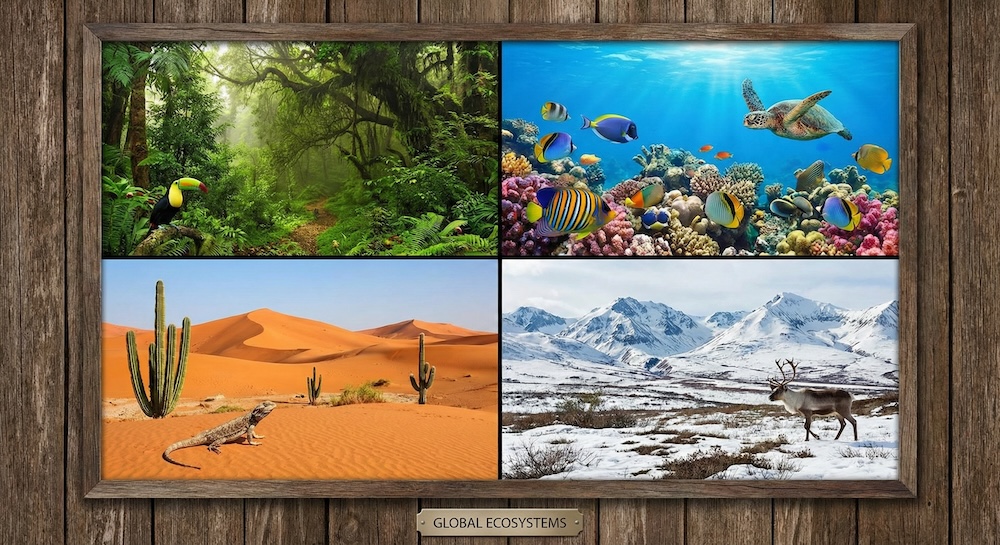
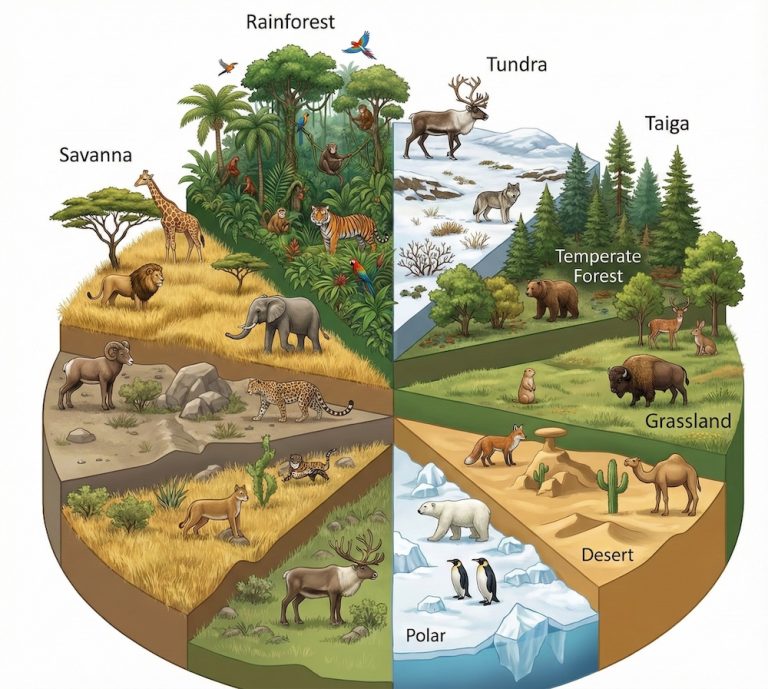
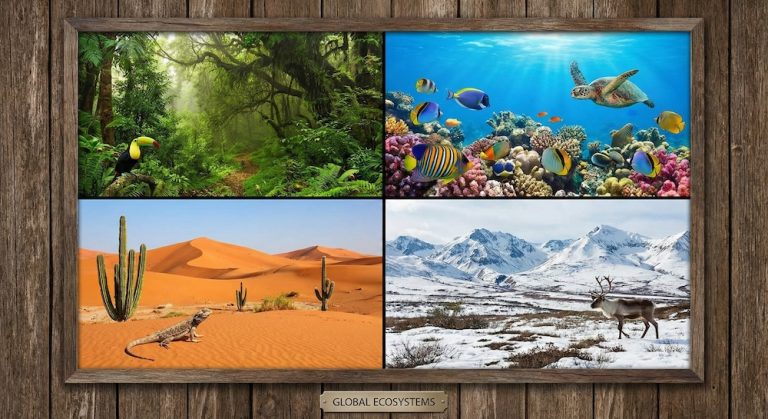
These are just some of the questions we’ll answer during the workshop. Although we start with mosquitoes, the story certainly doesn’t end there! You’ll hear about different ecosystems, plants, animals, and other organisms and how they survive.
Activities
We’ll better understand this through the following interactive exercises:
- Frankenstein adaptations: Create your own plant/animal adapted to given conditions
- Food webs: Organize organisms into appropriate categories and create a food web
- Ecosystem services: Identify the ecosystem services of a given ecosystem
About the Speaker
Milica Bojović is a master ecologist and science communicator. She currently runs a science communication project on Instagram @ask.the.ecologist, where she covers various topics from ecology and environmental sciences in short videos.
Before that, she engaged in science communication through various projects such as writing for EkoBlog and co-hosting the EkoPod podcast, creating and delivering the EDU 4.0 program as part of her work with the NGO Movement SPREMMA, numerous workshops, lectures, and speeches at conferences in Serbia and abroad.
She explored her love for nature both in the field and in the laboratory. As a researcher, she focused primarily on plant ecophysiology—the influence of environmental conditions on plant metabolic processes—by assessing the impact of elevated lithium concentrations on cabbage growth and development.