
-
 For Everyone
 -
2 h.
-
 Serbian
When the Temperature Rises: Interactive Decision-Making Simulation During Climate Extremes
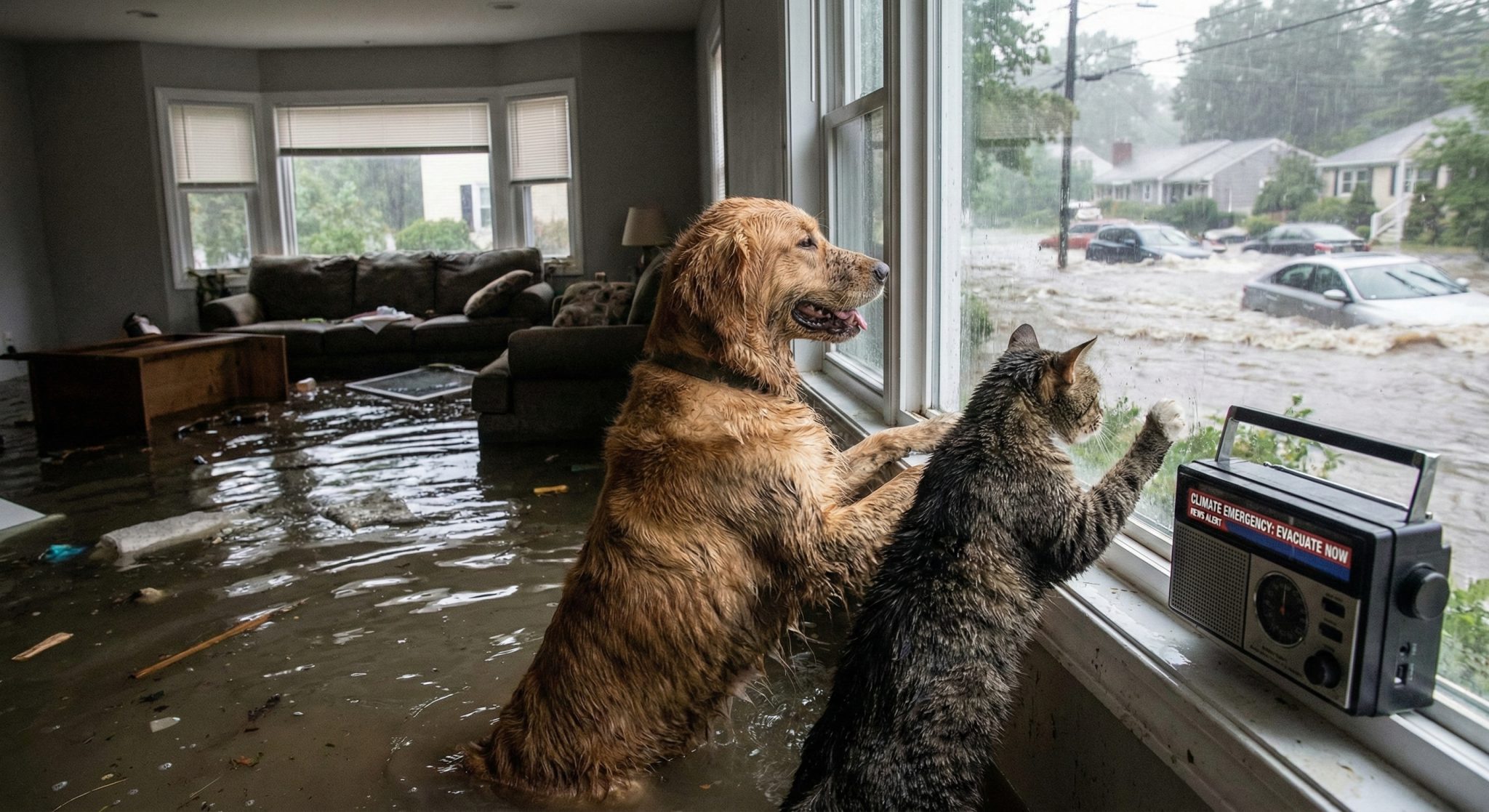
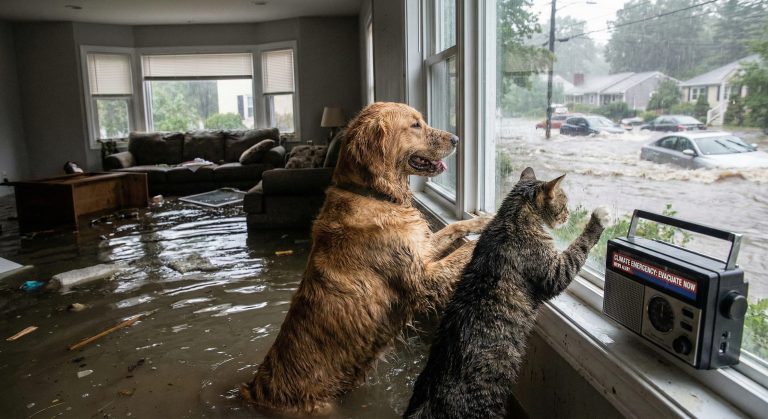
Imagine you’re in a position where you need to manage a city under conditions of climate extremes. What would you do if a supercell storm was approaching your city? This workshop gives you the opportunity to practice making complex decisions through interactive simulation and teamwork, and develop practical skills for facing climate challenges.
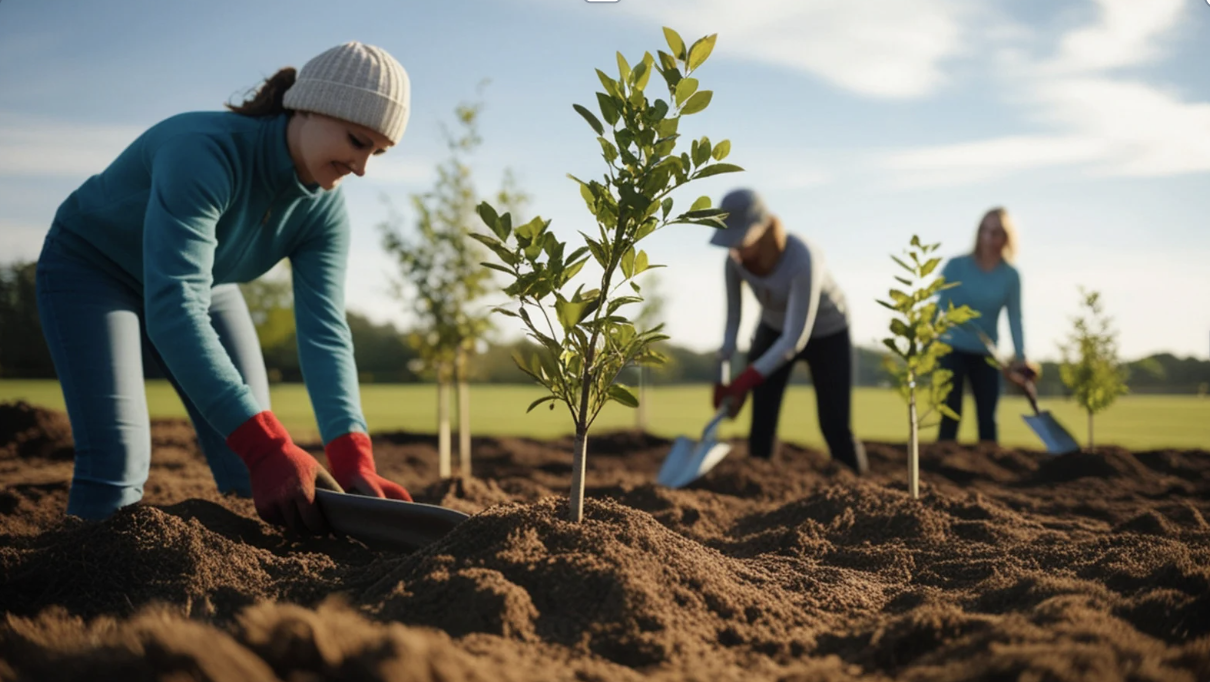
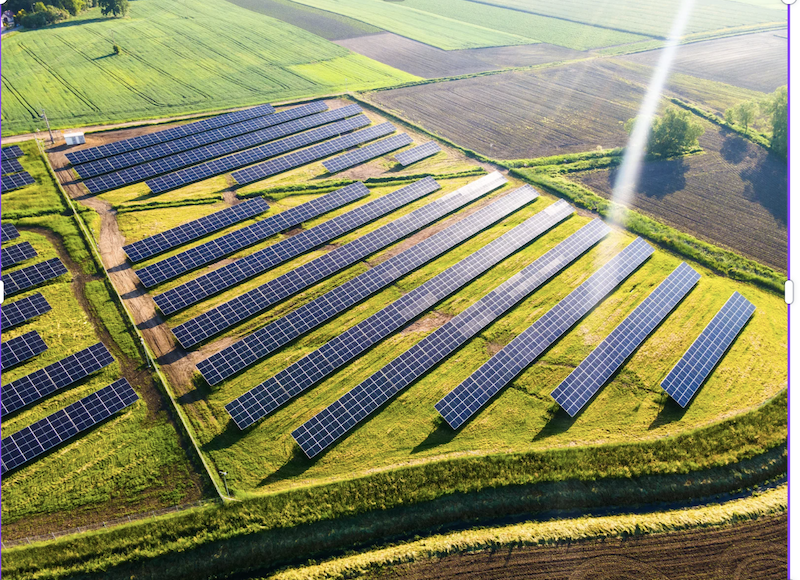
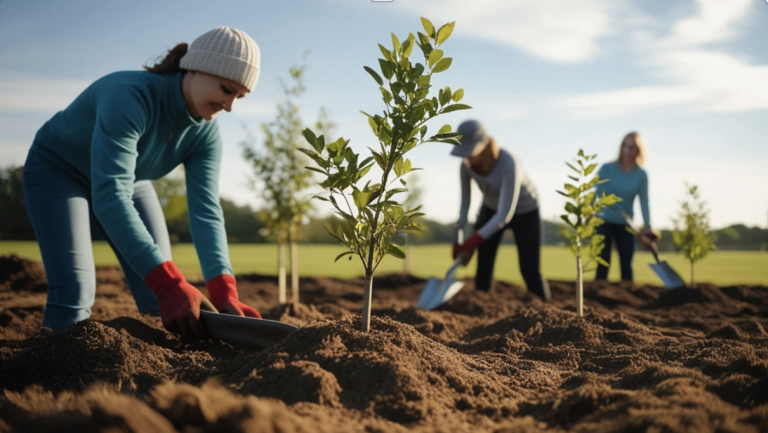
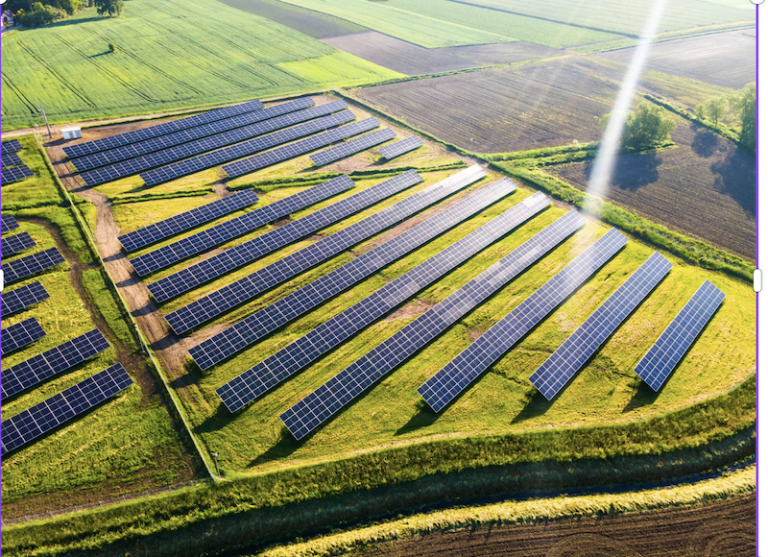
At the workshop you become a decision-maker in a city for one day: as a team you decide whether to invest in parks or solar power plants, how to defend against flooding, and how your decisions affect people and their lives. On the spot you see the consequences of your decisions and learn from experts through discussion and reflection.
About This Workshop
What will you learn?
Systems thinking: how small decisions create large consequences through complex systems. Resource management: balancing between needs, wants, and real constraints. Climate literacy: understanding how climate extremes affect cities and communities. STEM in action: applying scientific principles through an interactive problem-solving process. Teamwork: collective decision-making under pressure and with different perspectives. Critical thinking: accepting that there is no single "perfect" solution to complex problems.What's our goal?
To understand how smart and sustainable solutions emerge at the intersection of science, technology, and everyday life, and to become an active part of the solution, not just observers of the problem!Why sign up?
Gain practical, not theoretical knowledge: make real decisions with real consequences in simulation. Teamwork: learn through collaboration, discussion, and collective problem-solving. Current topic: climate change is here: find out what you can do to change it. No prior knowledge required: the workshop is designed for all knowledge levels. Interactive experience: forget passive listening: here YOU play the main role! Real scenarios: all challenges are based on actual climate events and urban problems.What does the workshop look like?
Division into teams: you receive a city, budget, and initial conditions Decision-making: choose between concrete options (solar panels or green park, water supply or power plants) Tracking results: see immediately how your decisions affect the system "Event cards": sudden climate extreme or new opportunity — how will you respond? Discussion and reflection: what did we learn? What would we do differently?About the instructors
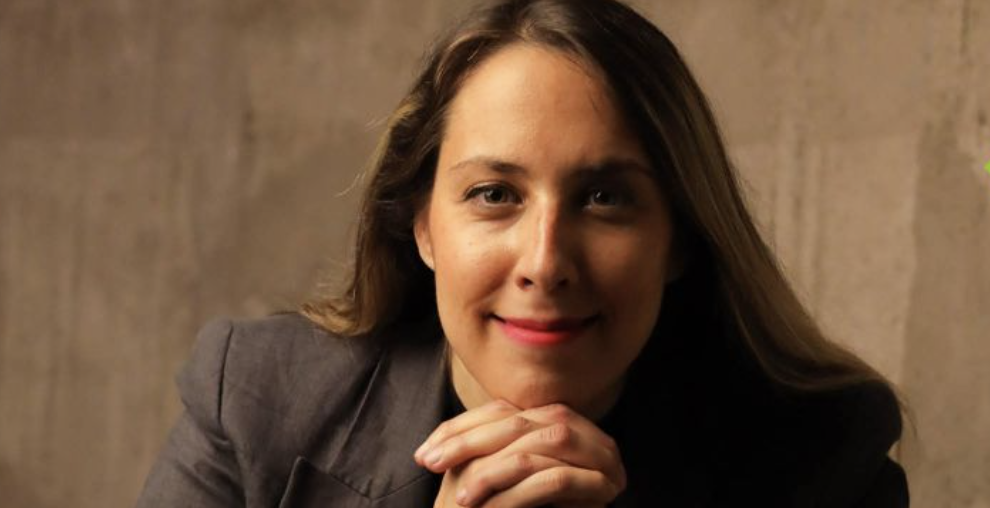
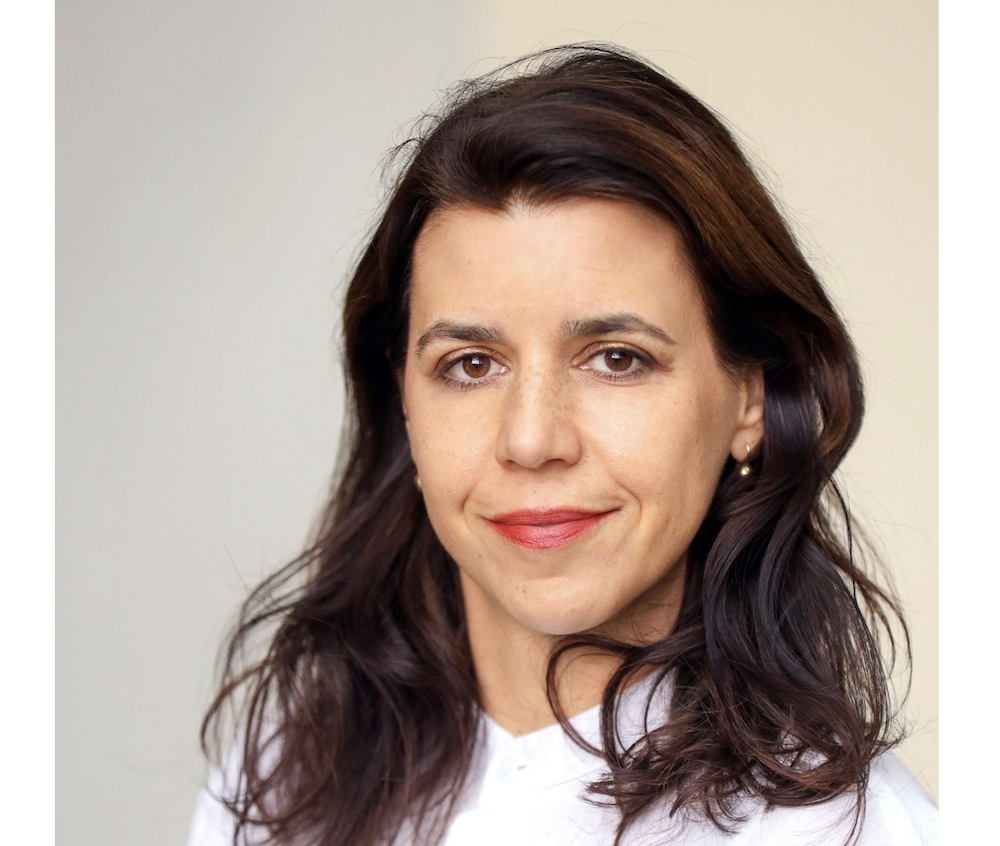
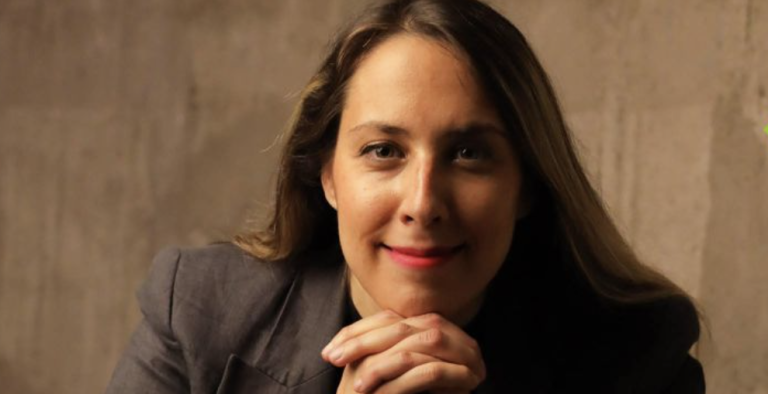
Marjana Brkić is a scientist, educator, and science communicator who has been connecting education, art, science, and society for over a decade, with a special focus on climate action. She graduated in molecular biology and obtained her PhD in neuroscience at the University of Belgrade, but her true interest belongs to ecology and sustainable development. In 2012, she participated in founding the association Ekocentrik, focused on ecological education and climate action. One of Ekocentrik's recognizable projects was Reciklašar — a recycled art market that combined creativity and sustainability. Through her work at the Center for Science Promotion, Marjana creates numerous science-art and educational content about climate literacy, believing that science must be accessible to everyone — because climate change concerns us all!Ljubica Slavković is an urbanist and educator who has been developing educational and public programs for over a decade. Through her work, she connects knowledge from the field of urban development with citizens' everyday experiences, making the processes of shaping cities clearer and more understandable to everyone.
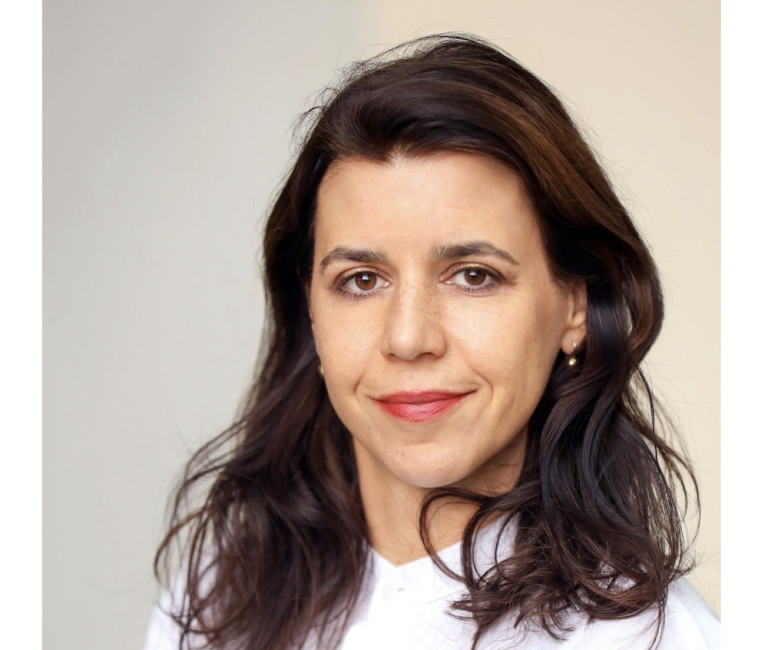
She is a PhD candidate at the Faculty of Architecture, University of Belgrade, where she is an active member of scientific research laboratories, with experience as a teaching associate. She leads expert teams and projects in the field of urban development and education. In her work, she deals with questions of how cities function, how decisions about public spaces are made, and how different choices affect the quality of life in the city, as well as how we can create them together.