







-
 For Everyone
 -
2 h.
-
 Serbian
From Complex Facts to Clear Stories: The Art of Science Communication
How do you turn a sea of complex information into a clear and engaging story?
In an era where science is constantly confronted with waves of misinformation, the ability to communicate facts clearly, accurately, and engagingly has become a crucial skill, not only for scientists, but for anyone who wants to contribute to a well-informed society. This workshop shows how even the most complex scientific ideas can be transformed into messages that audiences understand and remember.
About This Workshop
About the Lecturer
Jelena Branković holds a Master’s degree in Pharmacy and is Vice President of the Coalition for Global Health Innovation, a leading global health organization that brings together 100+ young professionals from over 40 countries across 6 continents. With more than five years of international experience in projects, research, and communication, Jelena advocates for health equity, health literacy, and inclusive solutions that empower communities around the world.
During her studies, she served as Editor-in-Chief of SupHa, the student journal of the Faculty of Pharmacy, University of Belgrade, overseeing the publication of six issues featuring over 100 articles and 15 interviews with healthcare professionals. She is actively involved in research on vaccine literacy, health literacy, and science communication in public health. Jelena plans to further develop these interests through doctoral studies at the same faculty.
How Do You Turn a Sea of Complex Information into a Clear and Engaging Story?
In a world where science is constantly misunderstood, misquoted, or oversimplified, good science communication is more important than ever. This workshop will demonstrate how to translate complex scientific topics into messages that are accurate, accessible, and memorable.
What Will You Learn?
Through real-world examples and practical exercises, participants will be introduced to the key principles of modern science communication:
1. Building Trust and Tailoring Your Message to the Audience
— What good science communication looks like: clear, precise, audience-centered
— What bad science communication looks like: sensationalist, manipulative, stripped of context
2. How to Recognize Reliable Information in a Flood of False Claims
— Case studies from medicine, pharmacy, and health
— How to assess data relevance and perform basic fact-checking
3. Storytelling: Turning a Complex Topic into a Memorable Narrative
— The structure of a strong scientific story: problem → evidence → solution
— How to use analogies, comparisons, and narrative techniques without dramatizing or sacrificing accuracy
By the end of the workshop, each participant will create a short, clear, and persuasive example of a scientific message—a mini exercise in applying their new skills.
Why Join?
This workshop is ideal for anyone who wants to learn how to think more clearly, communicate more effectively, and reliably recognize misinformation—three essential skills in school, at university, at work, and in everyday conversations.
By signing up, you will:
— gain practical tools you can immediately apply in presentations, essays, projects, and social media content;
— learn how to correctly interpret complex scientific topics;
— develop the ability to turn scientific facts into clear and engaging messages for any audience.
Have a question?
Contact UsMore Events For You
 The Power of Imagination: How Creativity Shapes the Brain
Discover why the brain imagines, how creativity shapes learning and behavior, and how to develop critical and creative thinking through science-based exercises.
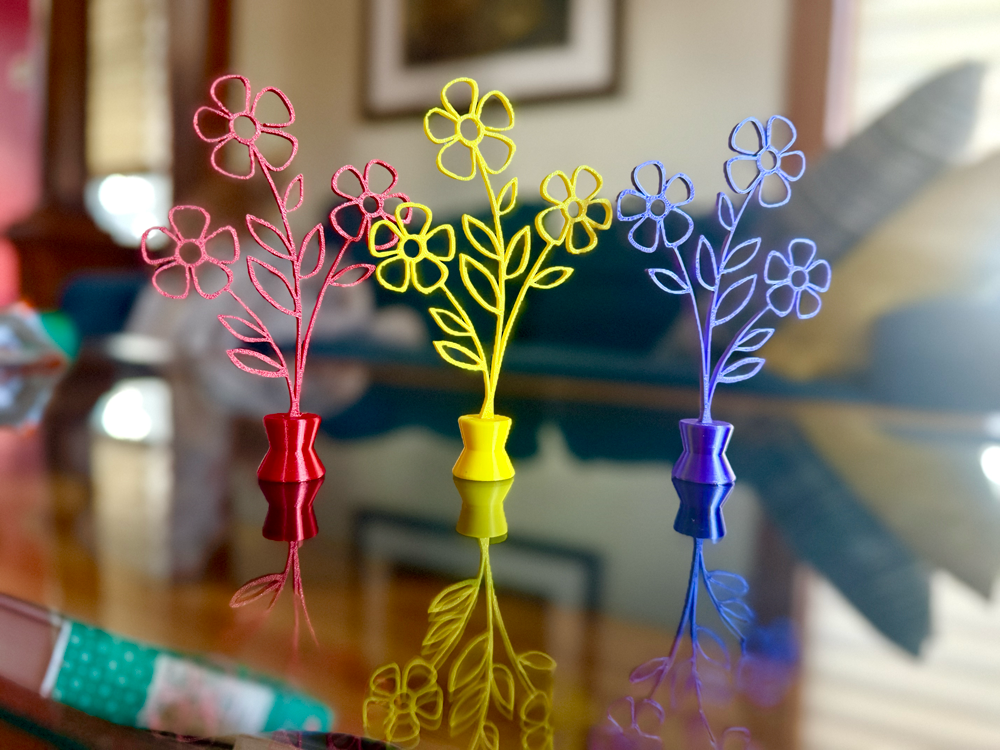 3D Print Spring 1/2: From Pixel to Flower
Introductory 3D printing workshop for complete beginners. You’ll design a personalized flower token that will become part of a spring vase in the second workshop.
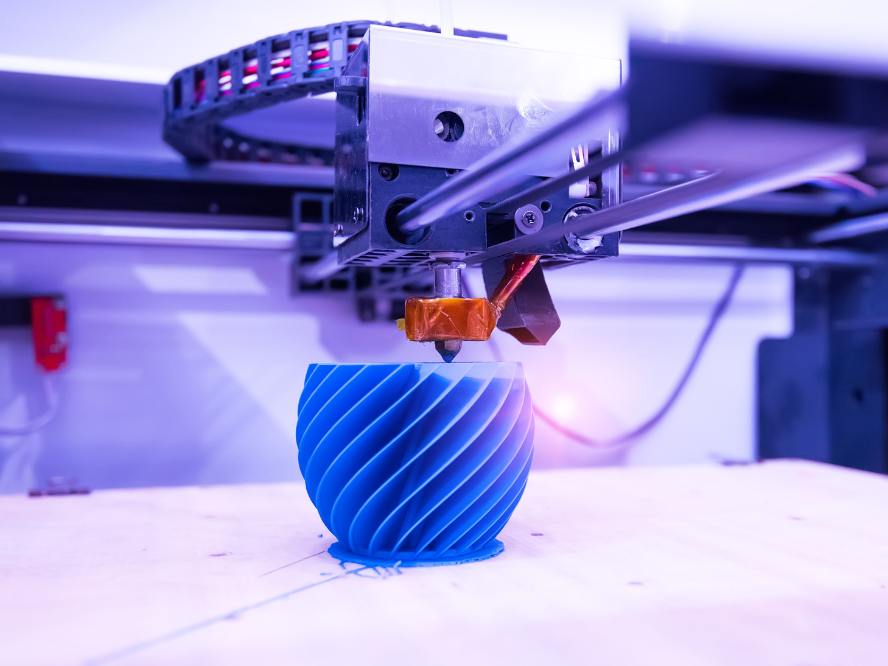 3D Print Spring 2/2: Make Your Own Flower Vase
Second session of the two-part 3D printing workshop for beginners. Your flower token from day one becomes part of a spring vase — you’ll finalize the complete project and learn more advanced 3D design principles.
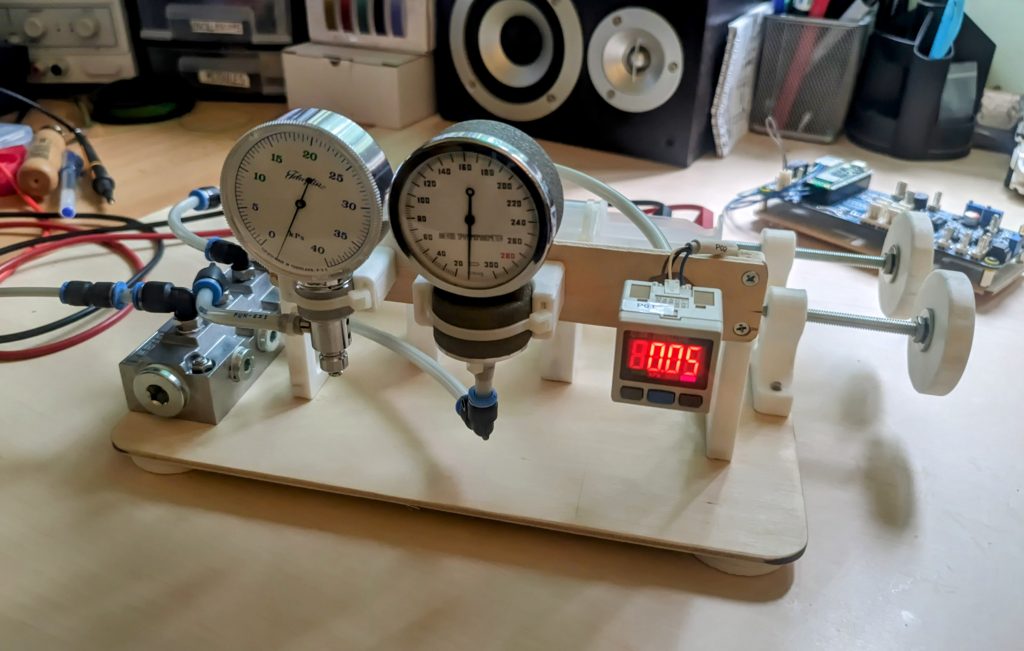 Inside a Blood Pressure Monitor: From Cuff to Algorithm
Look inside a blood pressure monitor — from the cuff and sensors to the algorithms that turn signals into the numbers you see on the screen.
 The Inner World of Other People: How Well Do We Truly Understand?
Regardless of our psychological background, each of us tries to understand the people around us. In this workshop, we explore our capacity for mentalization — the ability to understand the feelings, intentions, and perspectives of others.
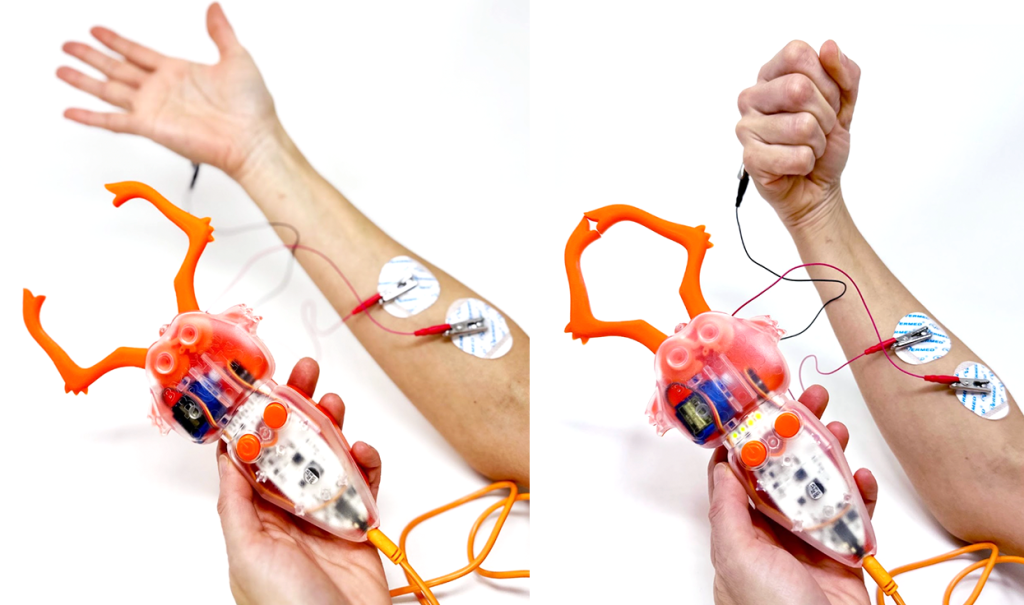 You Are the Controller: Brain-Machine Interface Workshop
Control a robotic claw using electrical impulses from your own muscles. Through hands-on experiments with Backyard Brains Spiker:bit and The Claw, discover how brain-machine interfaces really work.