

-
 For Everyone
 -
2 h.
-
 Serbian
Microorganisms In and Around Us
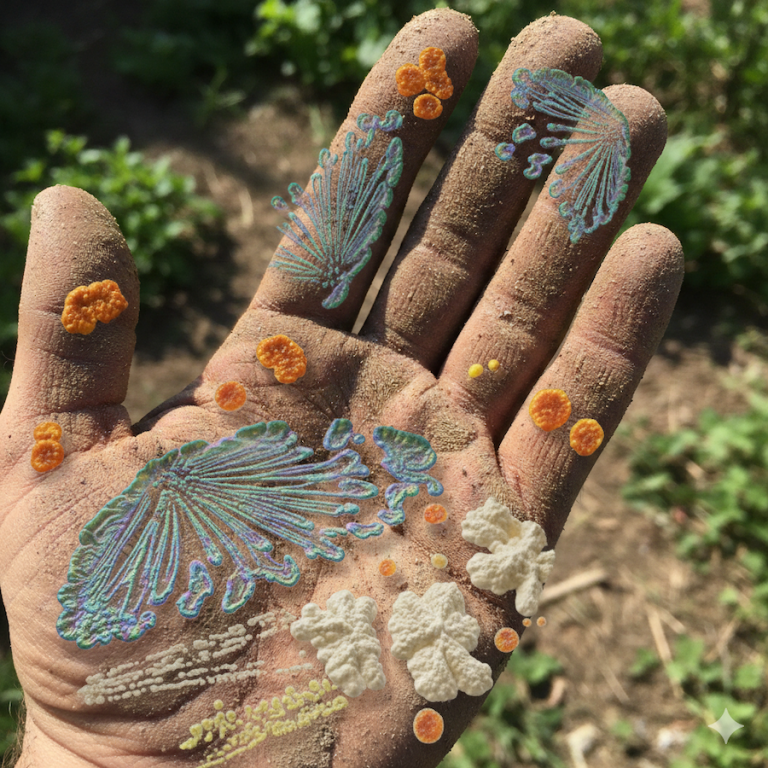
What’s hiding on your fingertips? Do you know how many living beings are breathing alongside you right now?
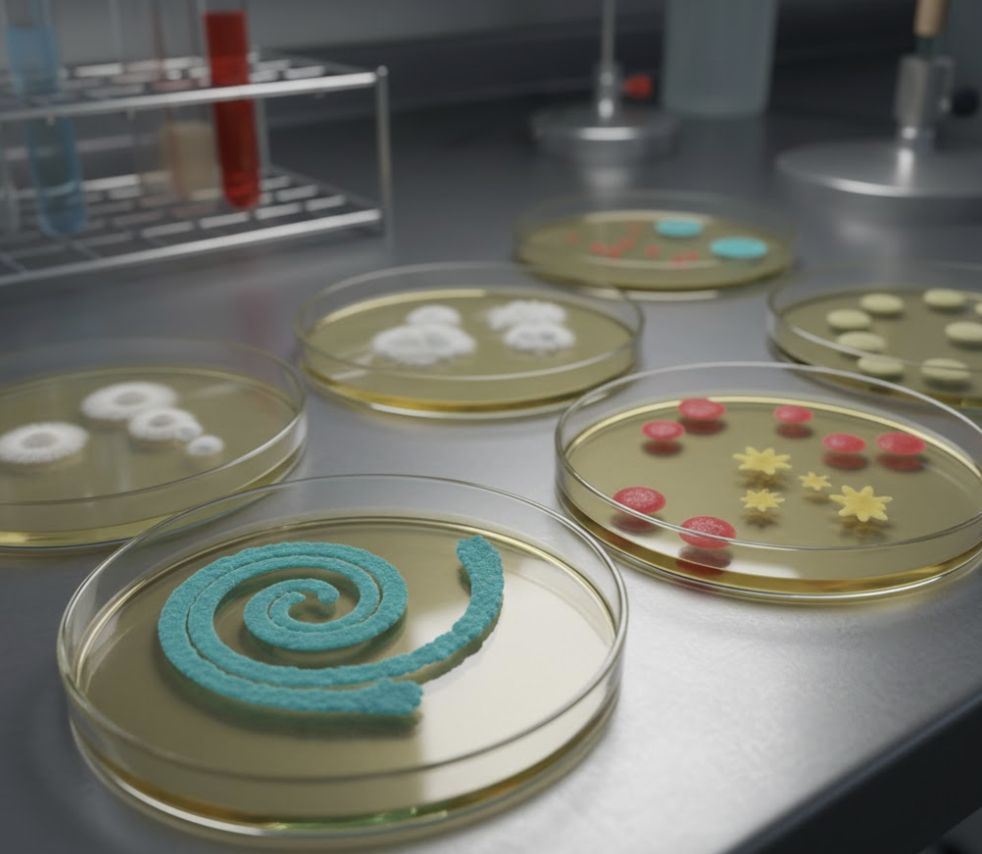
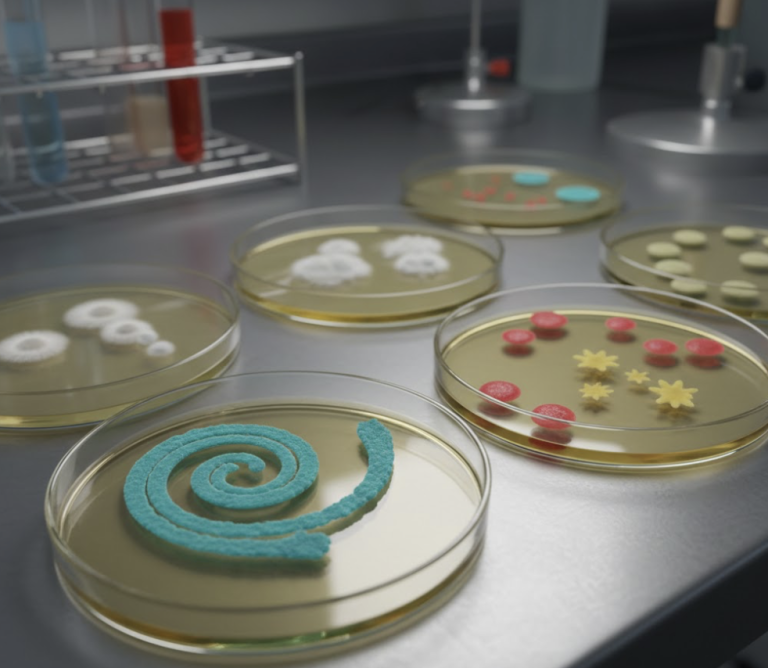
We invite you to an interactive workshop that opens the door to the invisible world of microorganisms: through story, experiment, and personal experience. What does a bacterial cell look like? Why do bacteria have different shapes? When are they our allies, and when do they cause disease? What are single-celled fungi and why are they irreplaceable in agriculture? And finally: how are microorganisms cultured in the laboratory?
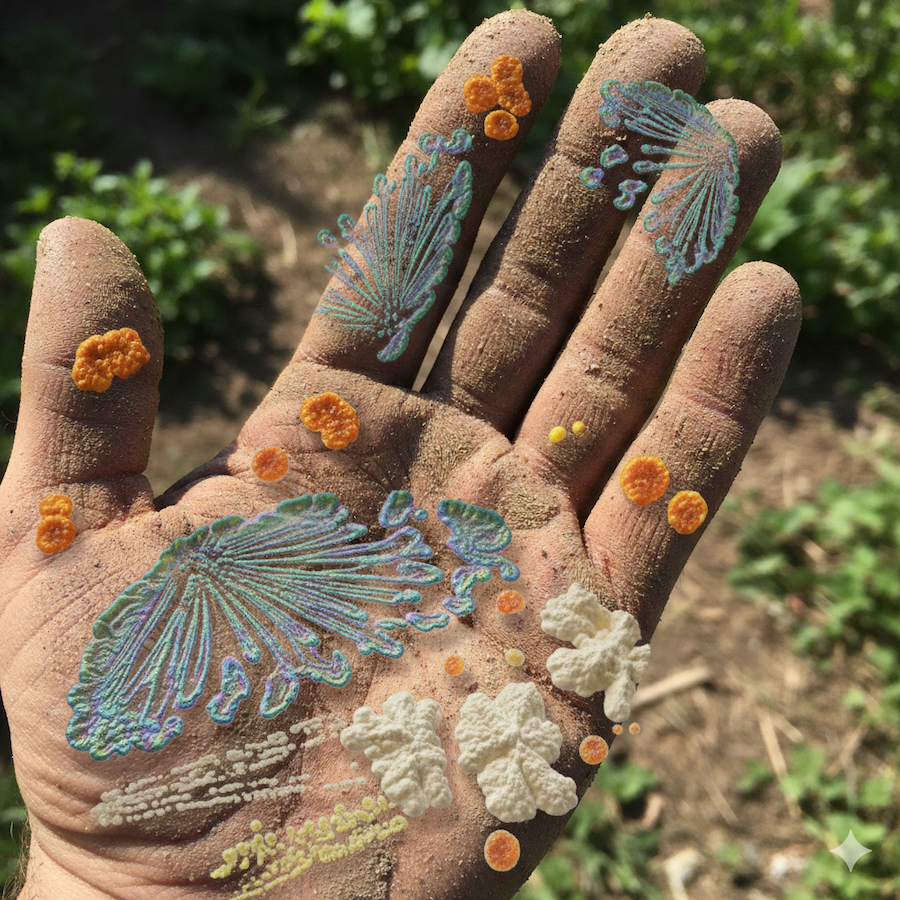
In the practical part, participants leave their own “microbiological signature” — fingerprints on nutrient medium that they take home. Can yeast breathe? How to prove it? What can really be seen under a microscope and how do scientists record those observations? You’ll try all of this yourself, with microscopy and drawing of specimens.
The workshop is designed to spark curiosity, ask the right questions, and show that science isn’t abstract — it’s all around us. And on us.
About This Workshop
Theory that sparks curiosity
What does a bacterial cell look like and why are there different shapes of bacteria? When are bacteria our allies, and when do they cause disease? What are single-celled fungi and how are they used in agriculture?
Through a brief theoretical lecture, you’ll learn the basic principles of microbiology — the structure of bacterial cells, diversity of shapes, the role of microorganisms in nature and medicine, as well as techniques for their cultivation in laboratory conditions.
What will you learn?
Theory is just the beginning. What follows is your direct encounter with the microbiological world:
- Laboratory glassware and equipment: Introduction to basic laboratory tools that microbiologists use in their work
- Sterile work method: Learn how to prevent contamination and why sterile work is crucial in microbiology
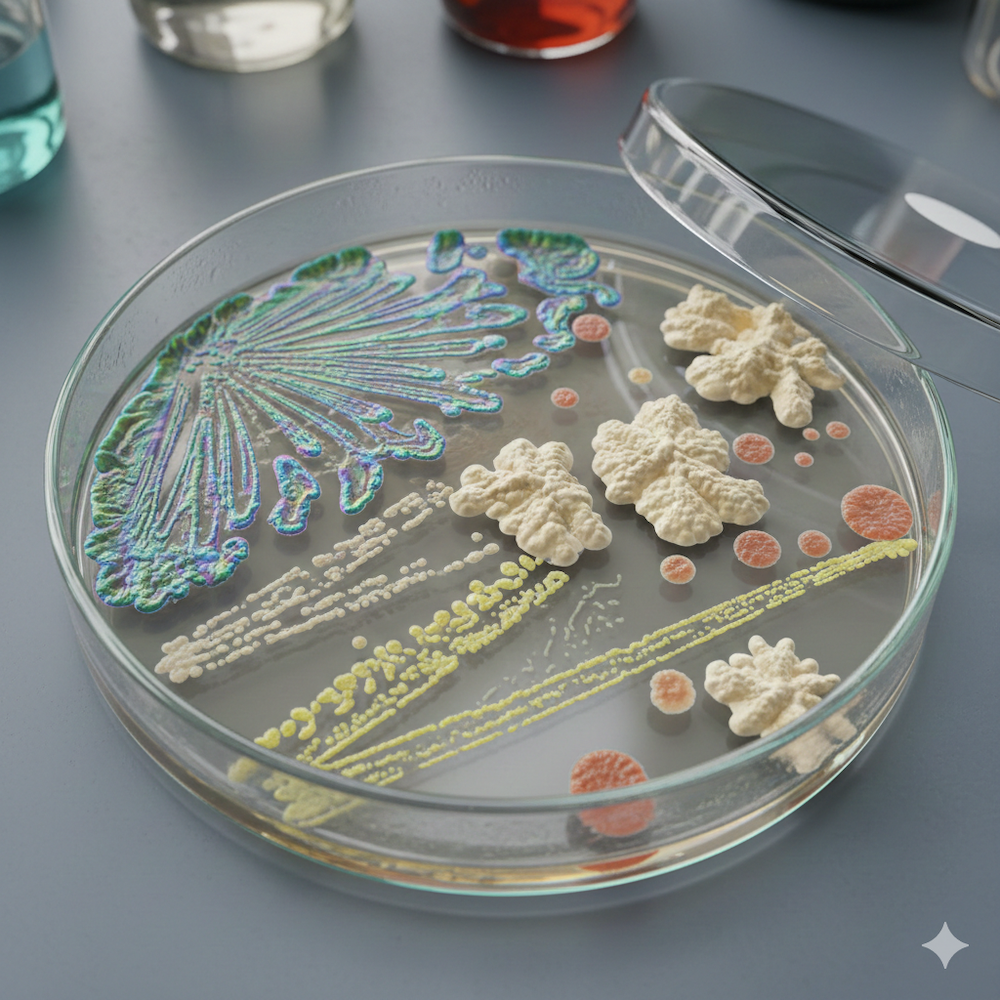
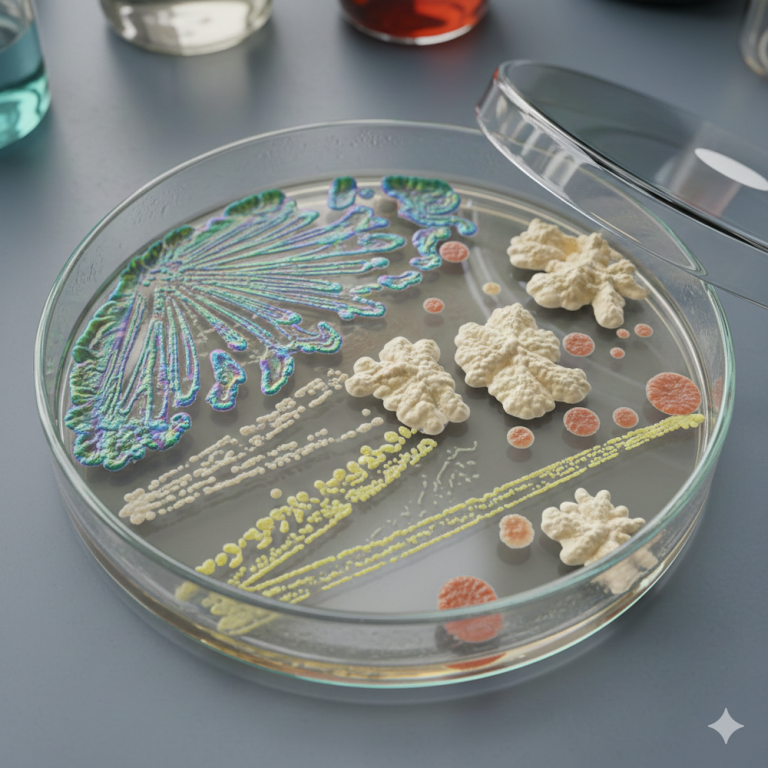
- Microbiological signature: Leaving fingerprints on nutrient medium: your personal experiment that you take home and monitor as it develops
- Inoculating microorganisms: Practical exercise of growing bacteria, molds, and microorganisms from hands on nutrient media
- Can yeast breathe? Exercise with metabolic activity of single-celled fungi that proves they are alive
- Microscopy: Observation of bacterial and fungal specimens under a microscope
- Drawing specimens: Learn how scientists record their observations: with precise drawings of what they see
- Laboratory notebook: How to properly document experiments and keep scientific notes
About the instructor
Jelena Zagorac is a specialist in microbiology from the Faculty of Biology, University of Belgrade. She is currently pursuing doctoral studies in developmental biology. She teaches biology at XII Belgrade Gymnasium. In addition, she has worked as an associate, and now occasionally as a lecturer at the “Petnica” Research Station. She has been a multi-year participant with her students at the “Researchers’ Night” event. Her approach to teaching is based on direct experimentation: participants don’t watch someone else work, but ask questions themselves, handle equipment, and arrive at answers through practice.
Who is it for?
For all curious minds — from elementary to high school students — who want to see what really lies behind textbook diagrams. No prior knowledge of microbiology is required. Workshop content is adapted to participants’ age.
What do you take home?
Each participant receives a Petri dish with their own fingerprint — a personal microbiological experiment that continues to develop at home. This is not just a souvenir, but a way to continue observing and learning even after the workshop ends.
Why sign up?
The workshop is designed to spark curiosity, ask the right questions, and show that science isn’t abstract – it’s all around us. And on us! You’ll work with real laboratory equipment and learn skills used in research centers.
Have a question?
Contact UsMore Events For You
 The Power of Imagination: How Creativity Shapes the Brain
Discover why the brain imagines, how creativity shapes learning and behavior, and how to develop critical and creative thinking through science-based exercises.
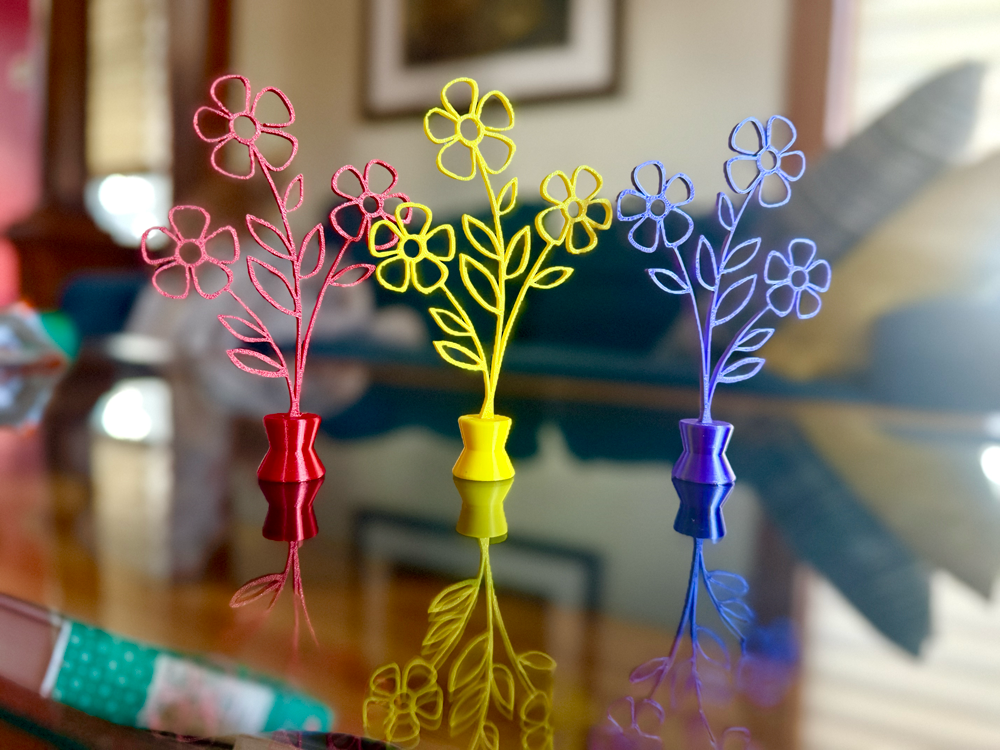 3D Print Spring 1/2: From Pixel to Flower
Introductory 3D printing workshop for complete beginners. You’ll design a personalized flower token that will become part of a spring vase in the second workshop.
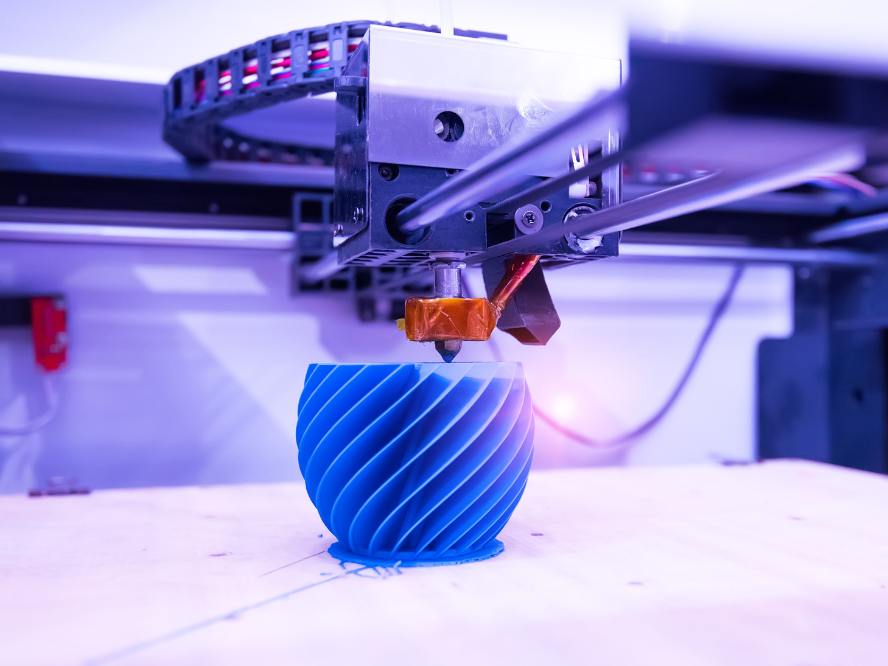 3D Print Spring 2/2: Make Your Own Flower Vase
Second session of the two-part 3D printing workshop for beginners. Your flower token from day one becomes part of a spring vase — you’ll finalize the complete project and learn more advanced 3D design principles.
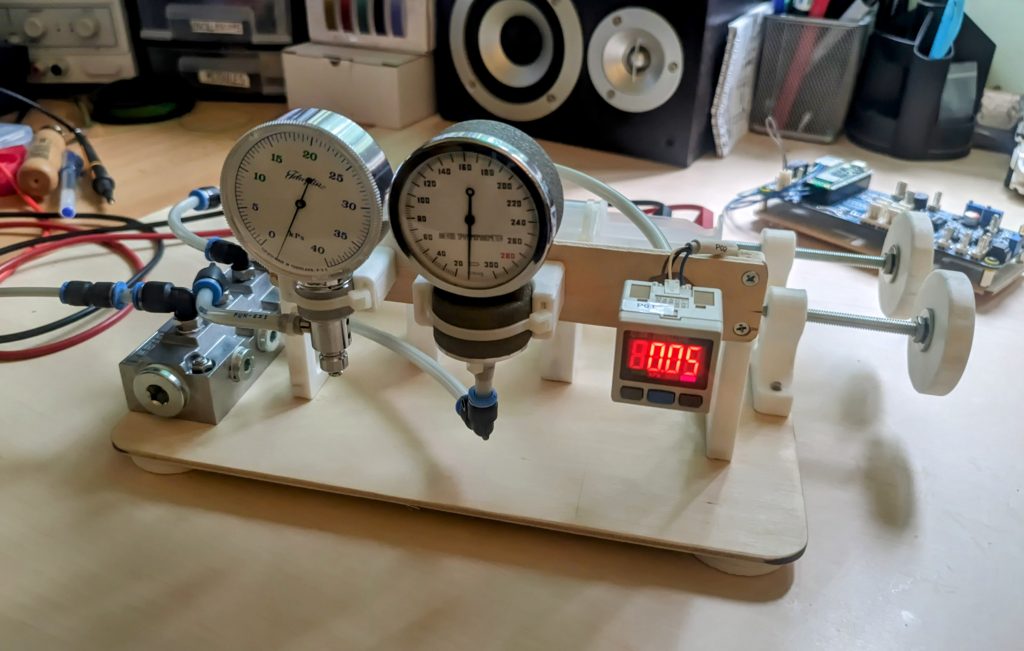 Inside a Blood Pressure Monitor: From Cuff to Algorithm
Look inside a blood pressure monitor — from the cuff and sensors to the algorithms that turn signals into the numbers you see on the screen.
 The Inner World of Other People: How Well Do We Truly Understand?
Regardless of our psychological background, each of us tries to understand the people around us. In this workshop, we explore our capacity for mentalization — the ability to understand the feelings, intentions, and perspectives of others.
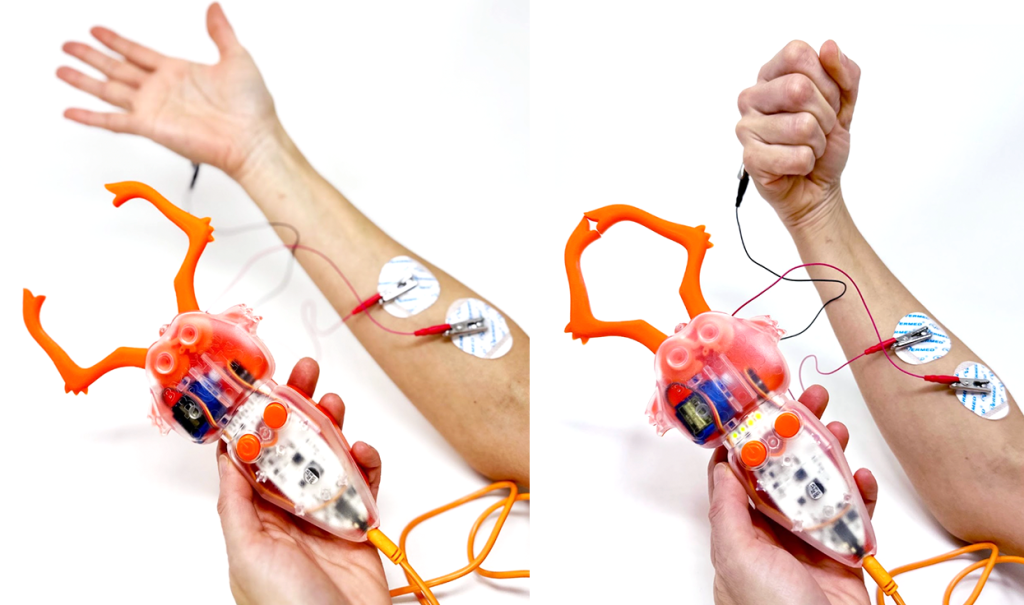 You Are the Controller: Brain-Machine Interface Workshop
Control a robotic claw using electrical impulses from your own muscles. Through hands-on experiments with Backyard Brains Spiker:bit and The Claw, discover how brain-machine interfaces really work.