-
 For Everyone
 -
For Everyone
-
2 h.
-
 Serbian
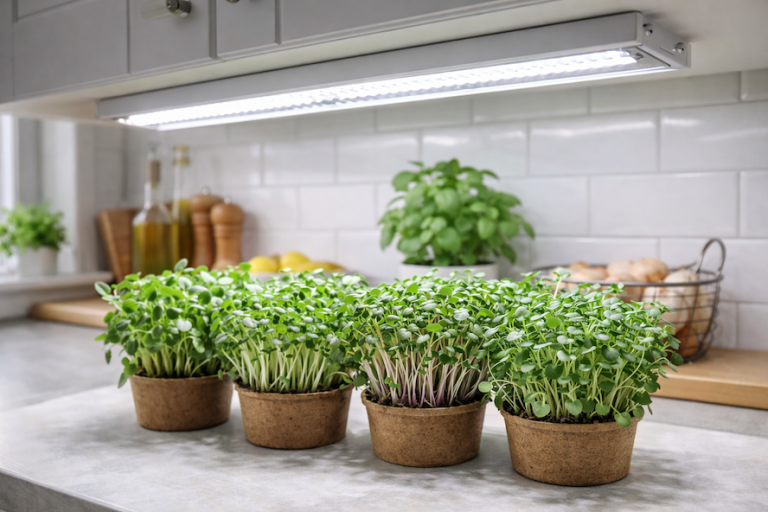
Mini STEM Garden 2/3: Indoor Microgreens – Light Control Technology
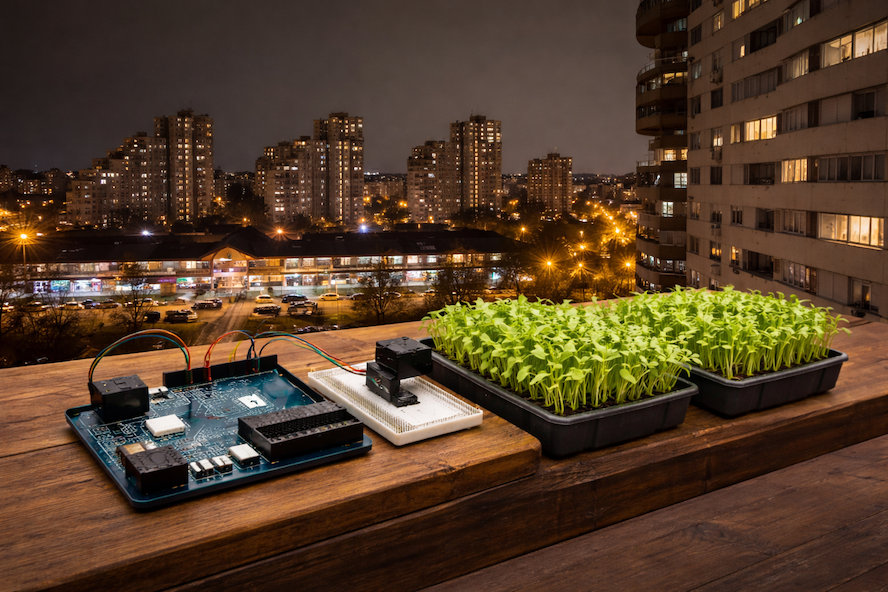
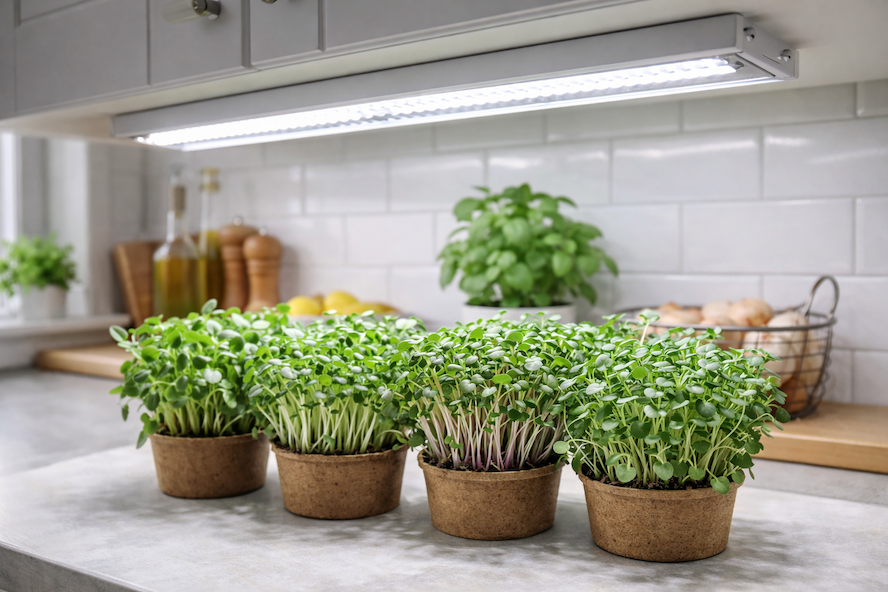
In this workshop, you’ll plant microgreens and learn how proper conditions directly affect their growth. Through hands-on work, you’ll connect biology and technology, using Arduino for automatic light control. You’ll learn how collecting environmental data enables smart decisions that improve plant growing conditions.
About This Workshop
Science Through Practice
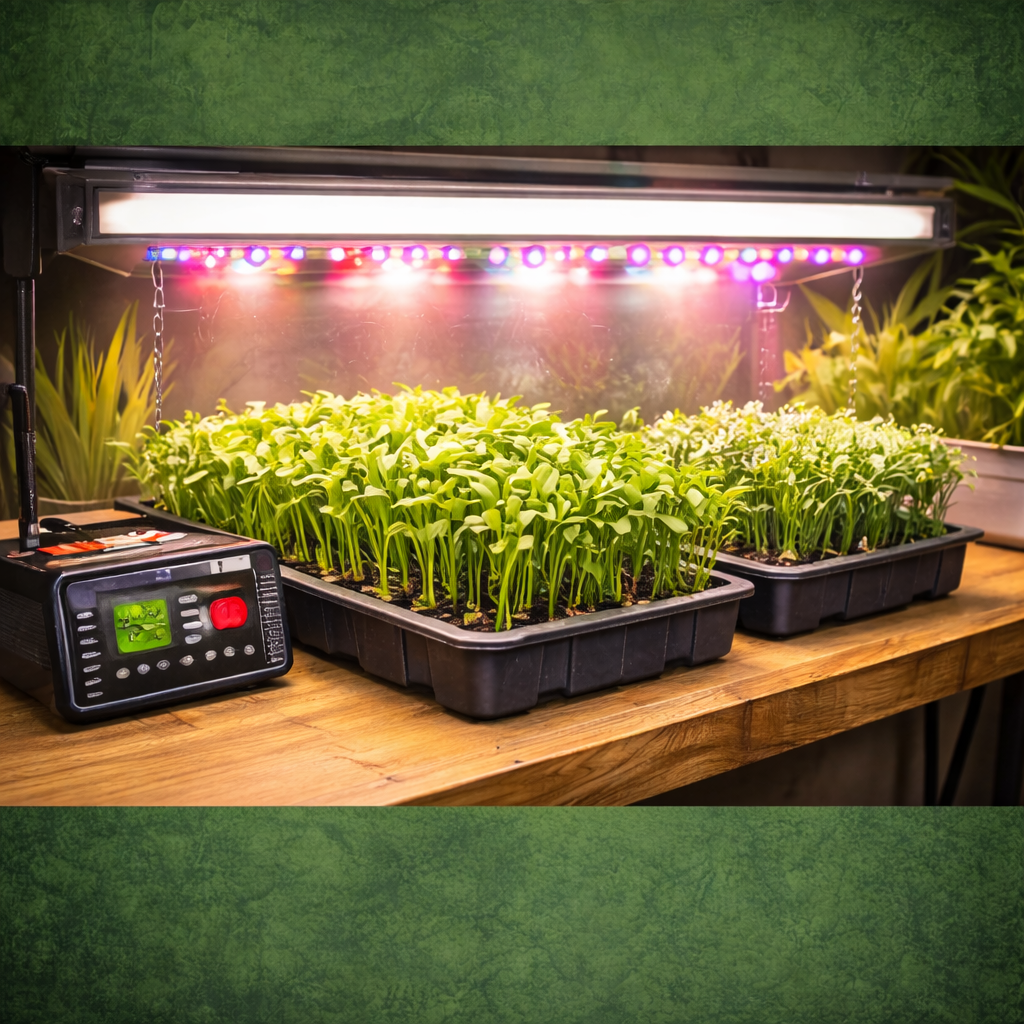
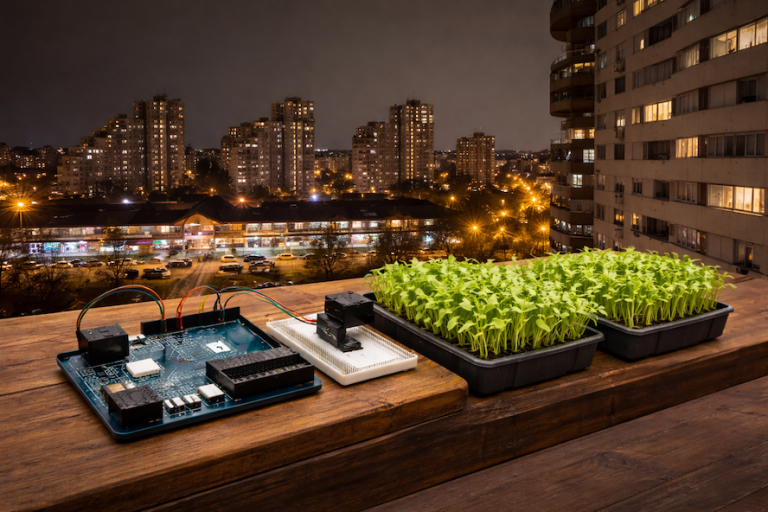
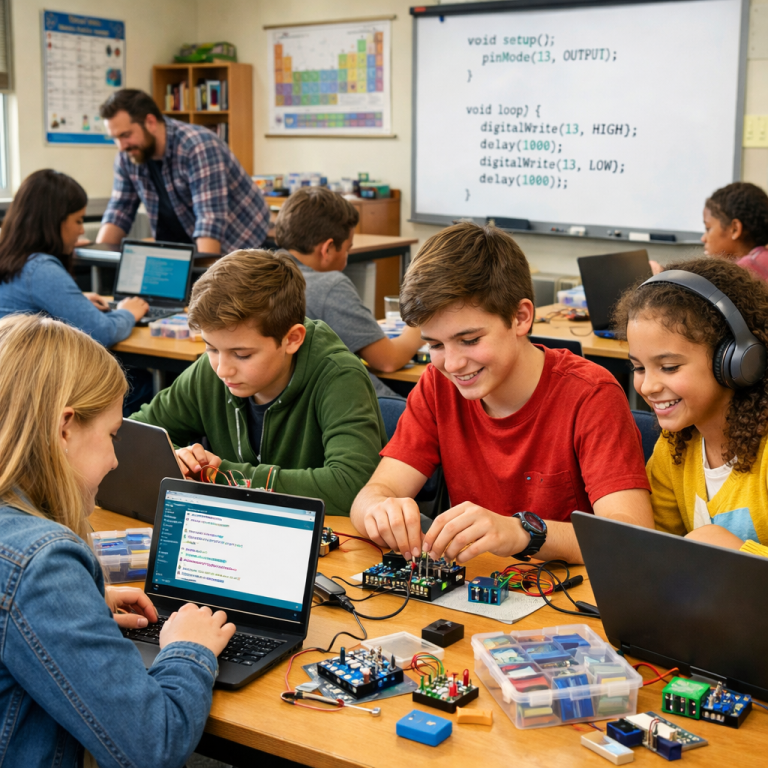
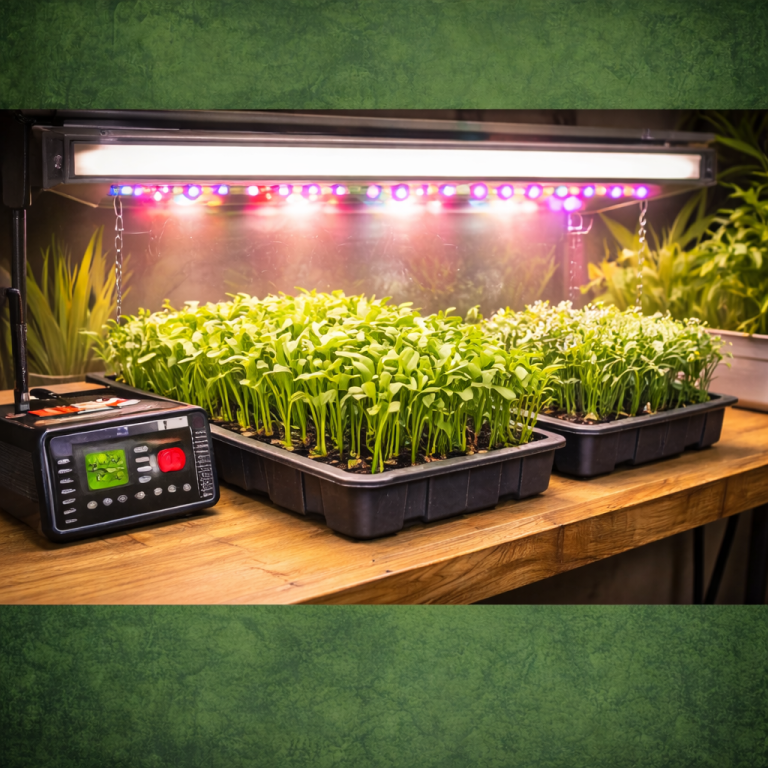
In the first part, you will independently plant microgreens in special pots, using seeds, soil, and appropriate containers, while learning about proper care, light, and moisture. In the second part, you’ll work with an Arduino system and a light sensor, collecting environmental data and using it to turn lighting on or off to extend the microgreens’ light exposure period.
Why Sign Up?
Through a hands-on project, you’ll see how technology solves real problems in sustainable food production. The workshop gives you practical skills you can apply at home, in school, or in future STEM projects.
What You’ll Learn
- How to properly plant, care for, and harvest microgreens
- The impact of light and moisture on plant growth
- How Arduino collects data using sensors
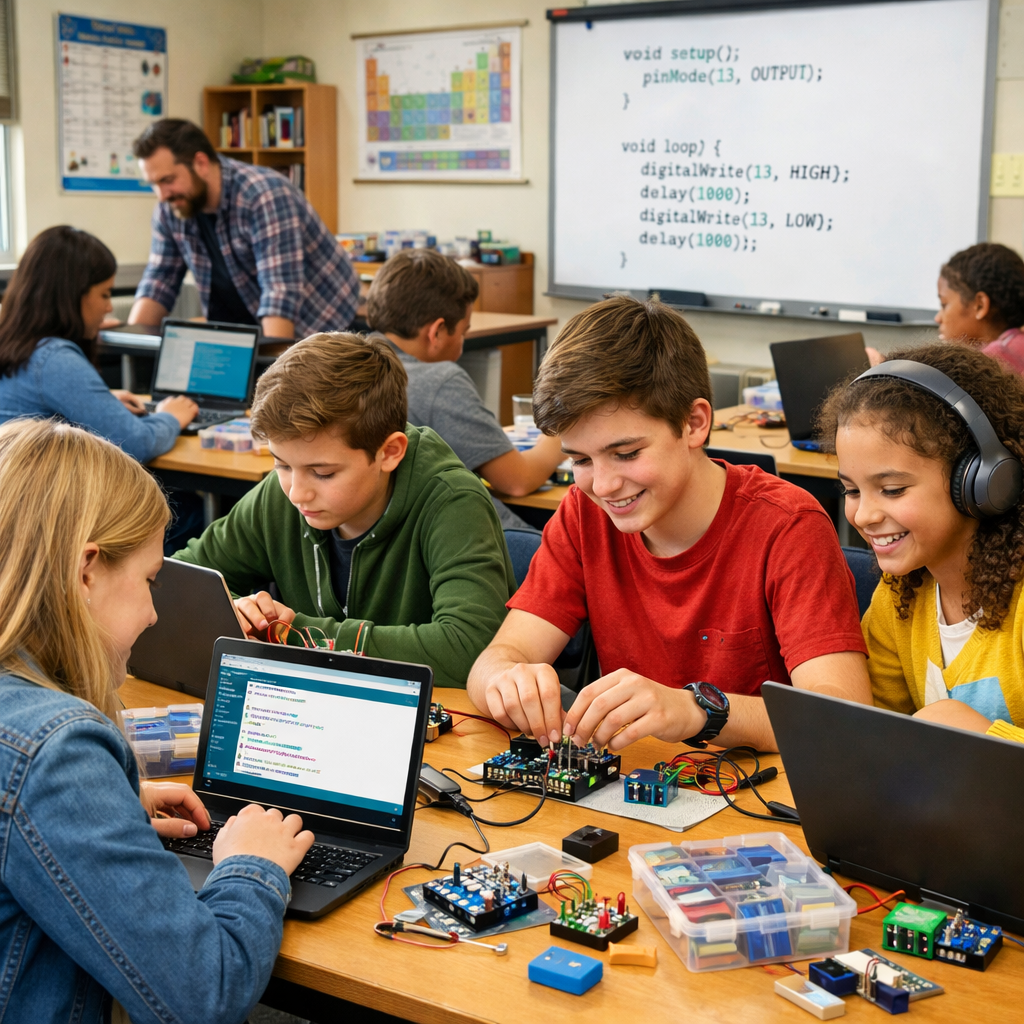
- Programming a system for automatic light control
- How extended lighting positively affects microgreen growth
About the Instructors
Tamara Đorić Šparović is a geography teacher with 25 years of experience in education. She works at Matematička gimnazija in Belgrade, where she actively participates in the development and implementation of domestic and international projects connecting science, technology, and sustainable development.
She is the author and coordinator of the successfully completed Erasmus+ K2 project “Smart School Garden,” as well as the coordinator of the ongoing K2 project “Rural Tourism – A Step into the Future.” As a team member in the “Digital Challenge” project, she gained additional experience in planning and implementing European educational projects, and as the author of the Erasmus+ KA121 mobility program application, she contributed to the improvement and digitalization of project processes.
She is the founder and leader of the Sustainable Development Section, through which she encourages students to develop environmental awareness and an understanding of sustainability principles. Her work focuses on connecting STEM fields, ecology, and innovative teaching methods, with a strong belief that environmental responsibility is most effectively developed through practical activities, collaboration, and critical thinking.
Jovica Milisavljević is a physics teacher and head of the Applied Physics and Electronics section, with many years of experience in developing modern, experimentally-oriented teaching. He is the author and co-author of professional papers dealing with the application of computers and information technologies in school laboratories, with particular emphasis on improving demonstration experiments and laboratory exercises in primary and secondary schools.
In his publications, he elaborates on the use of digital measurement systems, sensor subsystems, and software for data collection and processing, as well as the integration of interactive technologies such as SmartBoard systems, simulations, and computer models in physics teaching. He advocates for the concept of “learning by doing,” in which students actively participate in experiments, independently measure, analyze results, and connect theory with real physical phenomena. His teaching approach is focused on making modern technologies make teaching more precise, efficient, and motivating, while developing analytical thinking and interest in STEM fields.
Have a question?
Contact UsMore Events For You
 The Power of Imagination: How Creativity Shapes the Brain
Discover why the brain imagines, how creativity shapes learning and behavior, and how to develop critical and creative thinking through science-based exercises.
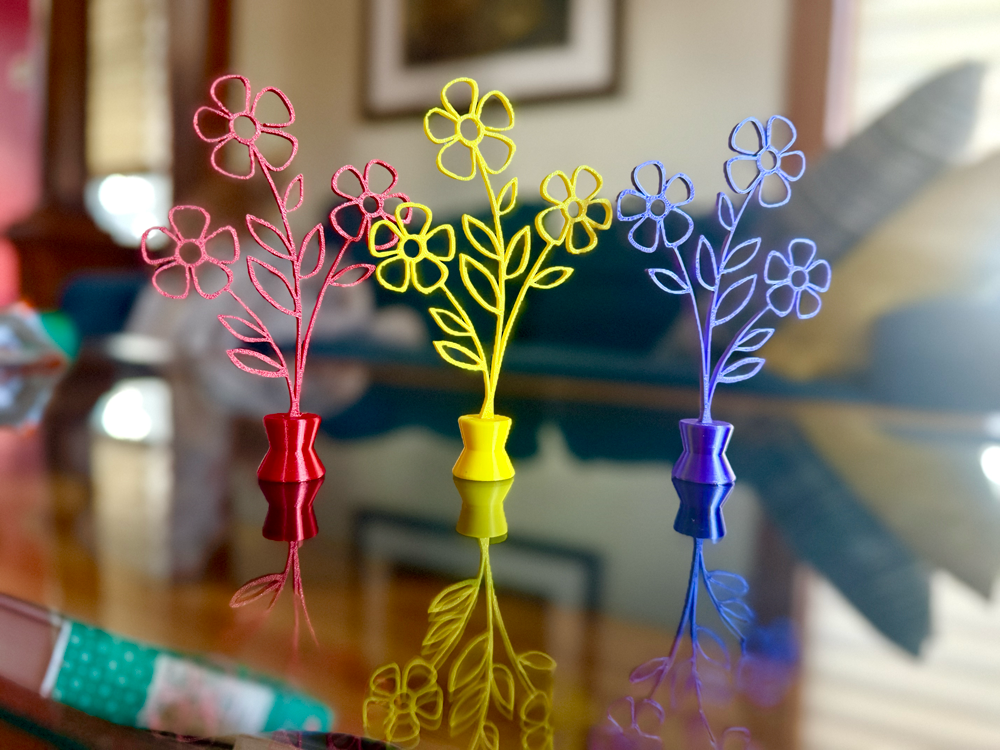 3D Print Spring 1/2: From Pixel to Flower
Introductory 3D printing workshop for complete beginners. You’ll design a personalized flower token that will become part of a spring vase in the second workshop.
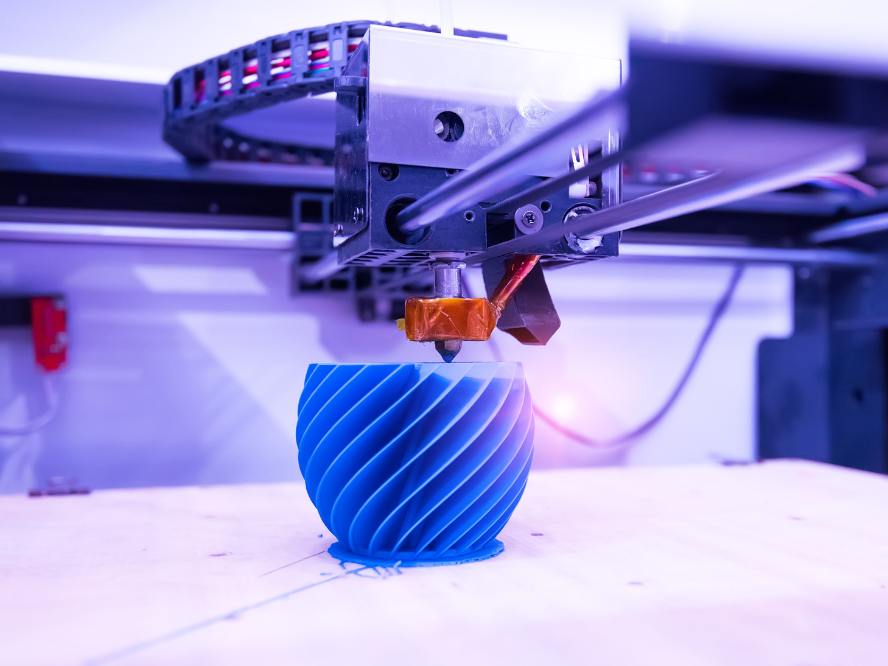 3D Print Spring 2/2: Make Your Own Flower Vase
Second session of the two-part 3D printing workshop for beginners. Your flower token from day one becomes part of a spring vase — you’ll finalize the complete project and learn more advanced 3D design principles.
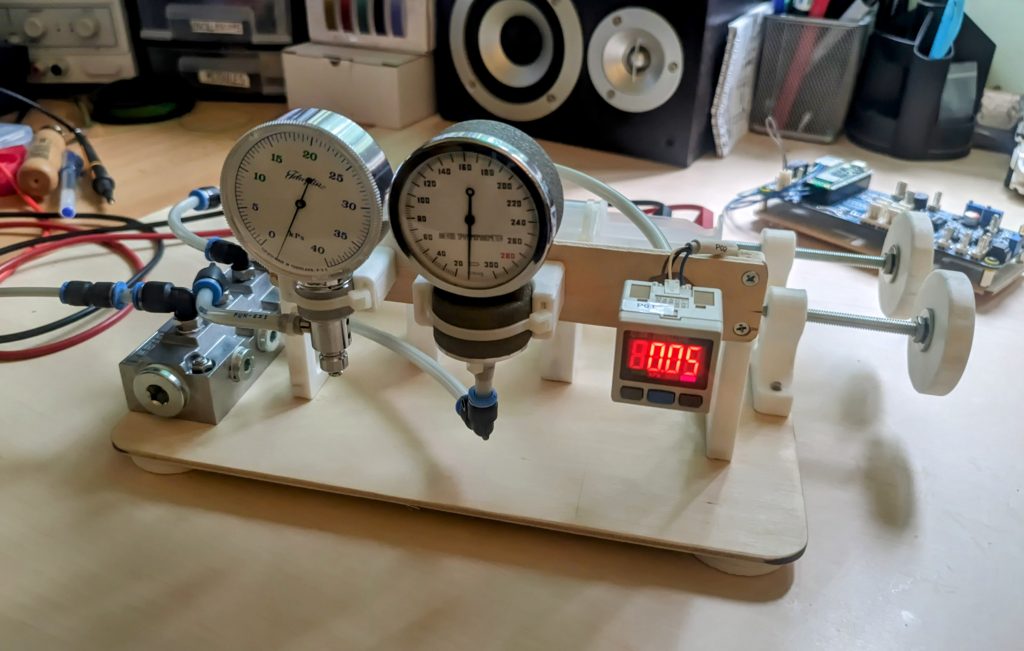 Inside a Blood Pressure Monitor: From Cuff to Algorithm
Look inside a blood pressure monitor — from the cuff and sensors to the algorithms that turn signals into the numbers you see on the screen.
 The Inner World of Other People: How Well Do We Truly Understand?
Regardless of our psychological background, each of us tries to understand the people around us. In this workshop, we explore our capacity for mentalization — the ability to understand the feelings, intentions, and perspectives of others.
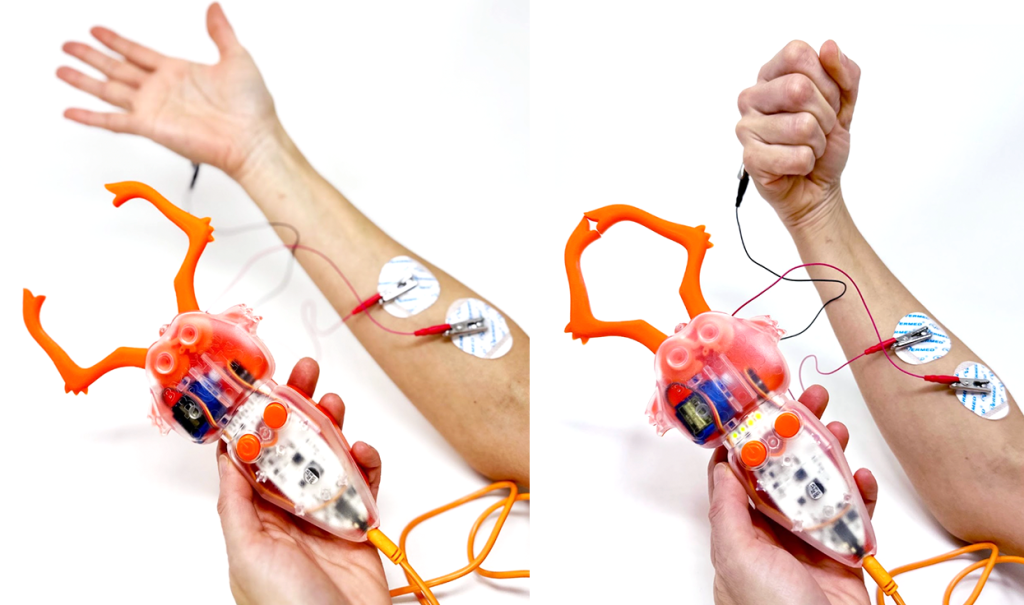 You Are the Controller: Brain-Machine Interface Workshop
Control a robotic claw using electrical impulses from your own muscles. Through hands-on experiments with Backyard Brains Spiker:bit and The Claw, discover how brain-machine interfaces really work.